••
Ghana secures €323m from EIB for northern water infrastructure
•2 min read•1 source
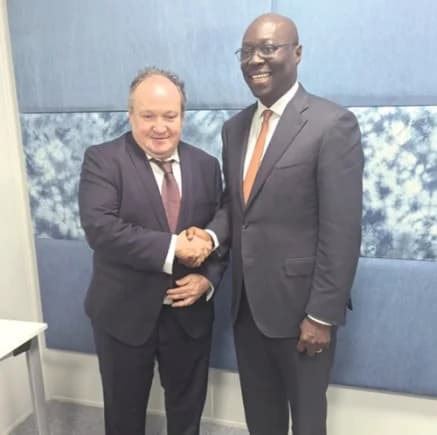
The government of Ghana has successfully secured a €323 million financing package dedicated to resolving long-standing water supply challenges in the northern part of the country. This funding, comprising a €225 million loan from the European Investment Bank (EIB) and €98 million in grants, will specifically target the municipalities of Tamale, Yendi, and Damongo. The initiative aims to modernize infrastructure and ensure a reliable supply of potable water to regions that have faced persistent and severe shortages for years.
Known as the Northern Ghana Water and Sanitation Project, the initiative goes beyond drinking water to address broader environmental and health concerns. A significant portion of the funds will be directed toward improving sanitation services, including the construction of modern faecal sludge treatment facilities in surrounding areas. By integrating waste management with water provision, the project seeks to establish a comprehensive framework for public hygiene and disease prevention in these rapidly growing urban and peri-urban centers.
Upon completion, the project is expected to benefit approximately 1.4 million people, significantly enhancing their quality of life and promoting public health. Beyond immediate service delivery, the investment is designed to bolster climate resilience in a region increasingly vulnerable to erratic weather patterns. By securing this substantial financial commitment, the government aims to bridge the infrastructure gap between the northern and southern sectors of the country, fostering sustainable development and economic stability in the targeted areas.