••
Ghana Education Oversight: Adaklu Tackles Teacher Absenteeism as Stakeholders Call for Enhanced Student Safeguards
•3 min read•8 sources
Recent developments across Ghana's educational landscape highlight a multi-faceted push for accountability, ranging from teacher attendance monitoring in the Volta Region to the protection of student environments in the Bono East Region. In the Adaklu District, the Directorate of Education has established a dedicated monitoring and supervision committee to address teacher absenteeism and tardiness. Announced by District Director Mac-Peter Dumatonu during the commissioning of a new classroom block at Adaklu Vodze District Assembly Basic School, the initiative involves random checks of attendance registers and lesson plans. Adaklu District Chief Executive Jerry Yao Ameko emphasized that teachers must prioritize their professional responsibilities over personal business during school hours, warning that non-compliance will face strict consequences.
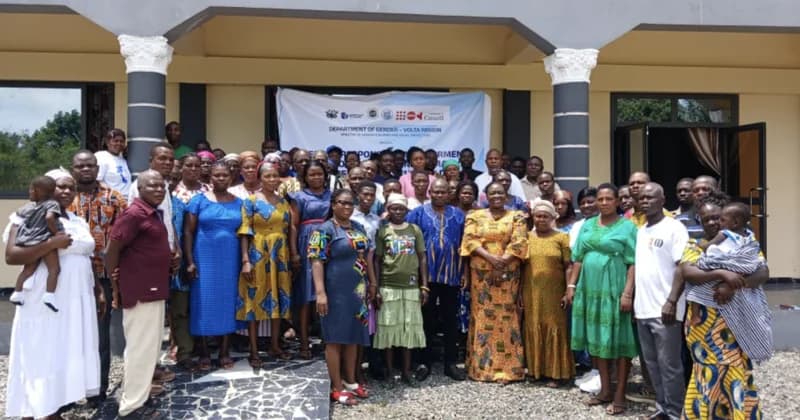
Simultaneously, concerns regarding the physical and digital safety of students have prompted high-level interventions. In the Bono East Region, Minister Francis Owusu Antwi directed local authorities to halt a private developer's hotel project adjacent to the New Konkrompe Senior High School. The decision followed alarms raised by Assistant Headmistress Catherine Antwiwaa regarding the potential negative influence such an establishment could have on female students. Meanwhile, in Adidome, parents have urged the government to configure Senior High School tablets to block access to adult content. During a community session organized by the Department of Gender, with support from UNFPA and Global Affairs Canada, parents expressed fears that unrestricted internet access was distracting students from their academic goals.
On the administrative and social front, the Ghana Education Service (GES) and non-governmental organizations are working to alleviate the burdens on parents and students. The GES recently clarified that the purchase of educational products from Prospectus Ghana Limited is entirely voluntary, following reports of a partnership with the National Council of Parent-Teacher Associations to market items in 200 schools. At the same time, Fairuza Abdul-Rahman Safian, Executive Director of CAMFED Ghana, highlighted that social barriers—such as the disproportionate load of domestic chores—still threaten rural girls' education. Speaking at an event at KNUST, she called for a shift in traditional attitudes and more equitable household responsibilities to ensure both genders can thrive academically.
Finally, efforts to improve student welfare through nutrition and infrastructure continue to gain momentum. World Vision has commended the government's decision to fully fund the School Feeding Programme, though it urges a stronger emphasis on sourcing food from local farmers to enhance nutrition and support the agricultural economy. These combined efforts from district directors, regional ministers, and international NGOs reflect a broader national commitment to improving educational standards. By addressing teacher accountability, student safety, and social equity, stakeholders aim to create a more supportive and effective learning environment for the current generation of Ghanaian students.
Related topic
Ghana Education Service (GES): Latest News Today →

