••
Ghana Advocates for Regional Integration and Global Justice Amid Rising International Barriers to Migration
•3 min read•7 sources
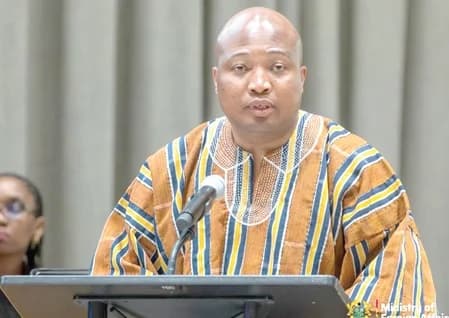
Ghana’s Ministry of Foreign Affairs is aggressively pursuing a dual-track diplomatic strategy, championing regional integration and international accountability even as major global powers move to restrict migration. At the heart of this effort is the newly launched 'ECOWAS for All' campaign, an initiative aimed at educating Ghanaian citizens on the rights and benefits provided by regional protocols, such as visa-free travel and trade opportunities. Deputy Minister James Gyakye Quayson emphasized that the campaign, which runs through December 2026, seeks to transform public awareness into active participation to ensure shared prosperity across the sub-region. This push for integration is complemented by Ghana’s firm stance on global justice; Foreign Minister Samuel Okudzeto Ablakwa recently reaffirmed the nation’s opposition to the abolition of the International Criminal Court (ICC), advocating for its strengthening and for permanent African representation on the UN Security Council.
While Ghana reinforces these alliances, the international landscape for migrants and expatriates is becoming increasingly difficult. In Japan, Prime Minister Sanae Takaichi has overseen a significant policy shift, increasing the cost of permanent residency twenty-fold to 200,000 yen (approximately 14,844 Ghanaian Cedis). This financial barrier is accompanied by stricter Japanese language and income requirements, as the nation attempts to balance a record foreign population of over 4 million with domestic anxieties. These changes have led to overwhelming demand at immigration offices and sparked concerns among critics that the new regulations could foster xenophobia and hinder long-term economic growth by creating instability for foreign workers.
Concurrently, the European Union is exploring more aggressive deportation strategies, with home affairs ministers meeting in Luxembourg to discuss the establishment of 'return hubs' outside the bloc. Countries including Denmark, Austria, and Germany are investigating third-country partnerships—with Rwanda frequently cited as a potential host—to manage asylum seekers and facilitate deportations. Proponents argue these hubs will deter irregular migration, but human rights advocates have warned that such centers risk becoming 'legal black holes' where migrant rights are ignored. These developments signal a broader global trend toward securitized borders and externalized migration management that could impact Ghanaian nationals living abroad.
Amidst these global shifts, Ghana continues to deepen specific bilateral partnerships, most notably with Germany. During a recent German Unity Day reception in Accra, Ambassador Frederik Landshöft reaffirmed a commitment to security, skills development, and economic cooperation, pointing toward the upcoming German-African Business Summit in November as a key milestone. However, the domestic reality for some returnees remains challenging; a Ghanaian couple recently repatriated from South Africa reported significant struggles, alleging that government promises of job placement have gone unfulfilled. As Ghana navigates its role as a stable regional leader and a vocal advocate for international law, the government faces the mounting challenge of aligning its high-level diplomatic successes with the practical needs of its citizens at home and abroad.


