••
Ghana and Denmark launch GDERCH-2 initiative to preserve shared heritage
•2 min read•1 source
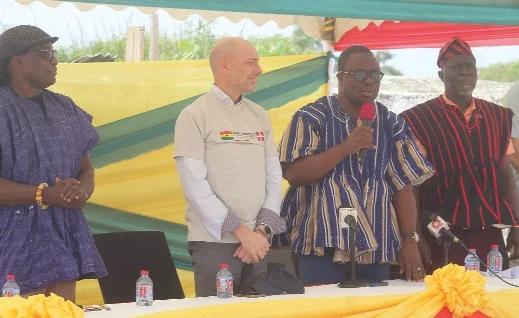
Ghana and Denmark have officially launched the second phase of the Ghana-Denmark Cultural Heritage initiative (GDERCH-2), a collaborative project designed to research, document, and preserve the shared historical narratives of the two nations. Led by Kwesi Essel Blankson of the Ghana Museums and Monuments Board (GMMB), the initiative seeks to leverage modern technology to broaden historical education and revitalize heritage sites across the country. The project marks a deepening of cultural ties between the two countries, focusing on the preservation of a history that spans several centuries.
A central component of the GDERCH-2 initiative is the application of digital storytelling and virtual exhibitions to enhance public accessibility to historical archives. By digitizing narratives and artifacts, the project aims to create immersive experiences that bridge the gap between academic research and general public engagement. Mr. Blankson emphasized that the use of digital technology is crucial for ensuring that the complex history shared by Ghana and Denmark is not only preserved but made relevant for a contemporary audience.
Beyond research and documentation, the initiative is positioned as a catalyst for heritage tourism and local community development. The Deputy Minister of Tourism, Yussif Issaka Jajah, highlighted the importance of examining the multifaceted historical relationship between the two nations. The project includes specific provisions to support local communities in managing their heritage sites effectively, which is expected to create new economic opportunities through increased tourism while fostering a sense of local ownership over historical landmarks.
The launch of GDERCH-2 represents a significant step in diplomatic and cultural cooperation, prioritizing a transparent and scholarly exploration of the past. As the project progresses, it will produce digital exhibitions and comprehensive documentation that will serve as vital educational resources. By integrating technology with cultural preservation, Ghana and Denmark aim to establish a sustainable model for heritage management that strengthens international ties and benefits local economies.

