••
Ghana’s Creative Sector Urged to Capitalize on Celebrity Influence as Global Oil Prices Surpass $100
•3 min read•4 sources
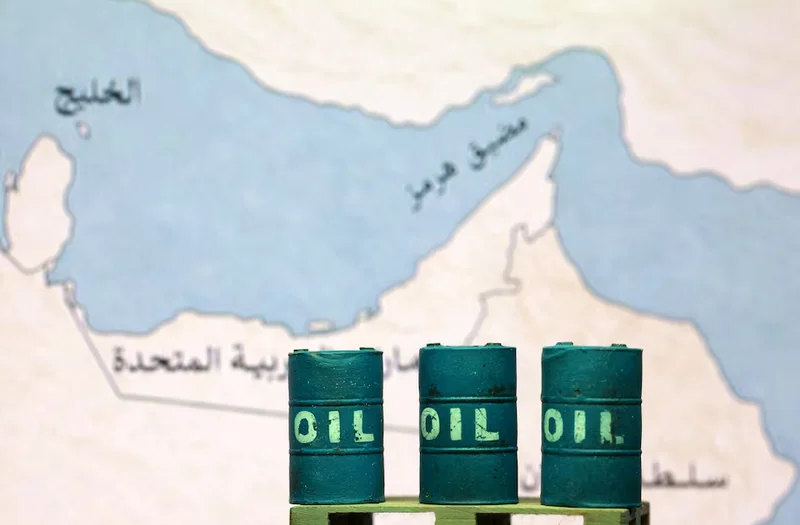
Ghana's economic landscape is currently navigating a dual reality of significant potential in the creative and tourism sectors alongside external pressures from a volatile global energy market. While the country's cultural exports gain international visibility through high-profile events and diplomatic advocacy, global oil benchmarks have surged past $100 per barrel, signaling potential inflationary pressures for consumers and businesses alike. This divergence highlights the urgent need for Ghana to formalize its creative economy to provide a robust buffer against global commodity shocks. The recent high-profile wedding of global marketing executive Bozoma Saint John in Accra has once again highlighted Ghana's untapped tourism dividend. Attended by major international celebrities, the event provided the kind of organic exposure and genuine cultural highlight that traditional endorsements often fail to achieve. Industry observers note that while the 2019 Year of Return campaign successfully showcased celebrity influence, a sustained marketing strategy is still required to convert this attention into long-term economic value. Transforming these celebrity connections into ongoing cultural and economic exchanges is seen as vital for ensuring tourism growth continues beyond isolated events. In a related call for industry development, the UK High Commissioner to Ghana, Sabah Zita Benson, has emphasized the necessity of stronger collaboration between the government and the private sector to revitalize the creative industry. Speaking at a music event in Manchester, Benson argued that the growth of music, arts, and tourism should not be the sole responsibility of the state. She advocated for private-sector investments to complement government initiatives, noting that such partnerships are essential for building the infrastructure and resources necessary to solidify Ghana’s position as a premier global cultural destination. However, these domestic growth opportunities are being shadowed by significant volatility in the energy sector, as Brent crude oil futures recently exceeded $100 a barrel for the first time since July. The price surge, driven by escalating conflicts in the Middle East and increased tensions between Iran and the U.S., has seen Brent futures climb as high as $101.32. Analysts point to a series of hostilities, including attacks on tanker ships and energy facilities, which have forced a reevaluation of global supply expectations. The International Energy Agency has warned of a potential 4.3 million barrel-per-day drop in global supply, a development that is already reflecting in increased fuel prices globally. As Ghana looks to the future, the contrast between the rising costs of energy imports and the lucrative potential of cultural exports remains a key economic challenge. Strengthening the creative and tourism sectors through strategic public-private partnerships could provide a critical revenue stream to offset the impact of high oil prices. The government and private stakeholders must now work to move beyond temporary celebrity buzz and establish a resilient, investment-ready creative ecosystem that can thrive despite the unpredictability of the global energy market.


