••
Industry Stakeholders Urge Structural Reforms in Creative Arts and Floriculture to Boost Ghana’s Economy
•2 min read•2 sources
Ghanaian industry leaders and government officials are calling for strategic investments and legislative reforms to strengthen the nation's creative and horticultural sectors. Recent advocacy highlights two critical areas: the need for robust intellectual property (IP) frameworks to protect creative exports and the urgent development of a local floricultural industry to offset a nearly $1.5 million annual import bill. These efforts aim to retain more value within the domestic economy while leveraging Ghana’s cultural and natural assets to foster sustainable growth.
At the Afro Caribbean Creative Bridge forum, organized by the World Intellectual Property Organization (WIPO) and the Ministry of Tourism, Culture, and Creative Arts, stakeholders emphasized that copyright protection is essential for financial empowerment. Minister Dzifa Abla Gomashie underscored the importance of effective copyright management systems to ensure that creators receive fair compensation for their work. Renowned musician Rocky Dawuni echoed these sentiments, describing Africa’s creative wealth as a vital cultural asset that requires strong legal protection to thrive in competitive international markets. The forum sought to foster deeper cooperation between Africa and the Caribbean to address shared challenges in the global creative economy.
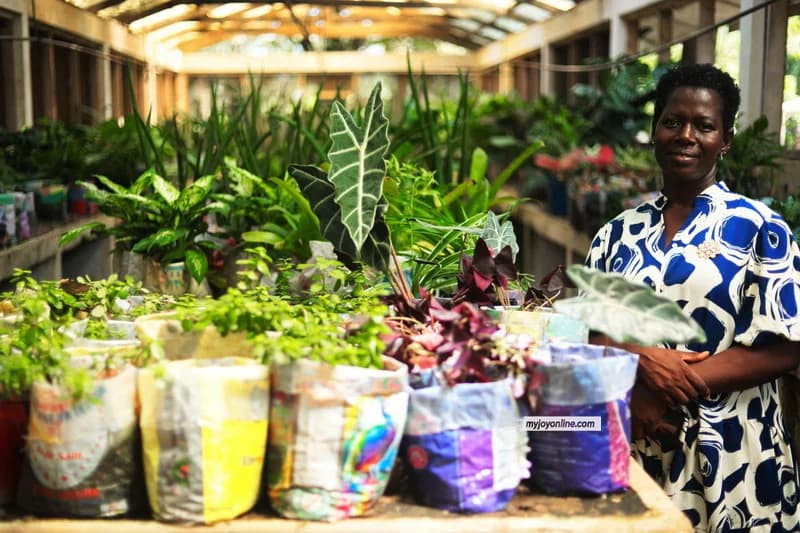
Simultaneously, the Department of Parks and Gardens is sounding the alarm over Ghana’s reliance on imported flowers, which currently costs the country approximately $1.49 million every year. Antoinette Enyonam Amegbletor, the department's administrator, argued that Ghana is overlooking both the economic and therapeutic potential of floriculture. Despite the country's ideal tropical climate for cultivation, a lack of investment has led to a heavy dependence on foreign products. Amegbletor advocated for the integration of greenery into urban planning and healthcare facilities, noting that local plant propagation—supported by initiatives like "Green Ghana"—could significantly improve public well-being while creating jobs and saving foreign exchange.
These developments reflect a growing recognition that economic stability in Ghana depends on diversifying beyond traditional exports. Whether through the enforcement of intellectual property rights for artists or the revitalization of local agriculture, the common goal remains the same: creating a more self-reliant and sustainable economic environment. Moving forward, the success of these sectors will depend on the government’s ability to implement enforceable legal frameworks and provide the necessary infrastructure for local entrepreneurs to scale their operations.
Live rates
Dollar to cedi rate →