••
Ghanaian Law Enforcement Targets Counterfeit Trade and Narcotics in Recent Enforcement Actions
•2 min read•2 sources
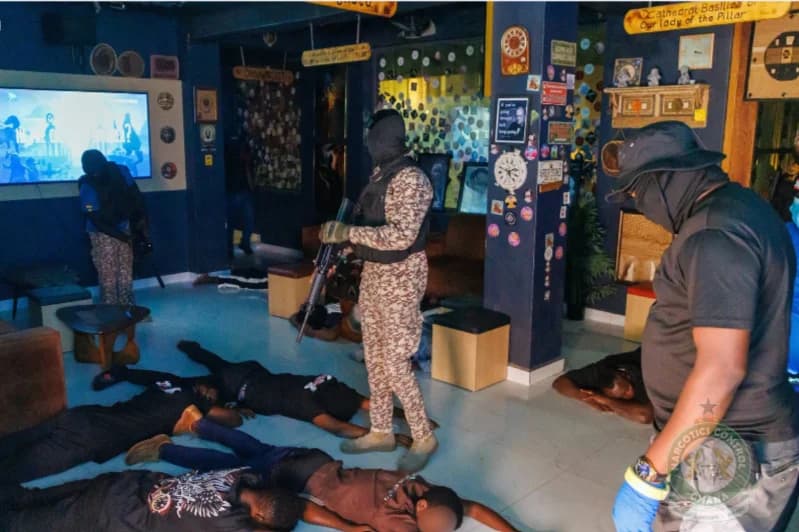
Ghanaian law enforcement agencies have intensified their efforts against illicit commercial activities, resulting in a significant court fine for a counterfeit trader and the closure of a popular pub in Accra. In two separate enforcement actions, authorities have targeted the sale of forged goods and the suspected distribution of narcotics, signaling a zero-tolerance approach toward illegal trade that threatens public health and intellectual property rights.
At the Asokwa Circuit Court, trader Jeanice Mensah was sentenced to pay a fine of GH¢12,000 for her involvement in the sale of counterfeit Amuzu Bitters and the forgery of trademarks. The court’s decision underscores the legal consequences of intellectual property theft in the Ghanaian market. Mensah faces a two-month prison sentence with hard labor should she default on the payment. This ruling highlights the ongoing battle against the infiltration of counterfeit beverages into the retail chain, which poses significant health risks to consumers and financial losses to legitimate manufacturers.
Meanwhile, in Accra, the Narcotics Control Commission (NACOC) carried out a targeted overnight operation on September 4, 2026, at the Laboma beach area. The operation led to the closure of the Amsterdam Pub and the arrest of three individuals suspected of facilitating narcotics-related activities. While the three suspects are currently assisting with investigations, the primary suspect remains at large. This raid is part of NACOC’s broader strategy to disrupt hubs of illicit drug distribution within the hospitality and entertainment sectors.
Following the raid, NACOC issued a stern warning to owners of entertainment venues, cautioning that their establishments must not be used as conduits for drug trafficking or consumption. These combined actions by the judiciary and specialized law enforcement agencies reflect a heightened vigilance against criminal activities embedded in daily commerce. As investigations continue and the court enforces penalties, the focus remains on ensuring that business operations across the country comply with legal standards and public safety regulations.