••
Ghana urges developed nations to boost climate funding at COP31
•2 min read•3 sources
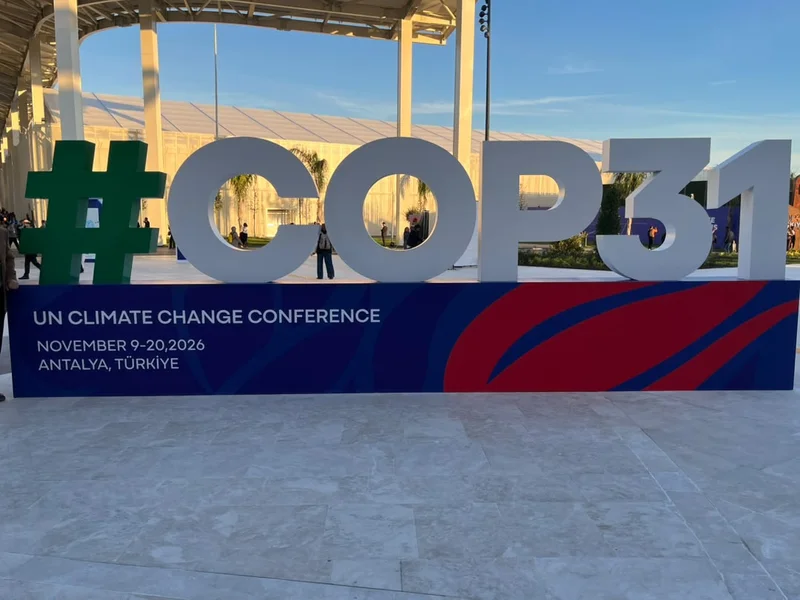
Ghana has called on developed nations to move beyond rhetoric and provide reliable financial support to combat climate change impacts at the 31st United Nations Climate Change Conference (COP31) in Antalya, T ̈rkiye. The summit, which opened on October 31, 2025, has brought together delegates from 193 countries under the theme of an "Implementation COP," focusing on turning long-standing climate pledges into actionable solutions. Ghana, hosting its own pavilion at the event, is highlighting the specific environmental challenges facing West Africa while demanding a more equitable global financial architecture to assist vulnerable nations. Ghanaian delegates underscored the urgency of protecting local communities, proposing an increase in contributions to the Green Climate Fund and a reconsideration of trade policies that might negatively affect African economies during the green transition. A significant addition to Ghana’s agenda this year is the integration of public health into climate strategies. Delegates noted that climate-related events are increasingly posing severe health risks, necessitating a unified approach that links environmental preservation with healthcare resilience and pandemic preparedness. Complementing the call for funding, Nana Dr. Antwi-Boasiako Amoah, Chair of the African Group of Negotiators (AGN) on Climate Change, emphasized the critical need to involve children and young people in the negotiation process. Building on an initiative started at COP28, Amoah argued that because children are disproportionately exposed to climate hazards, their perspectives must be central to policy discussions. The AGN is committed to ensuring that youth-related concerns are integrated into the formal outcomes of the summit to reinforce inclusive climate governance. As COP31 progresses, the global focus remains on electrification and clean energy transitions, with a target to significantly increase the share of electricity in energy consumption by 2035. For Ghana, the summit represents an opportunity to secure the resources necessary to implement domestic climate plans while also supporting journalists to enhance climate reporting within the country. The delegation continues to advocate for a balance between the economic needs of developing states and the urgent requirement for global environmental stability.


