••
West African Developments: Ghana Prioritizes Community Conservation as Nigeria Rebrands Abuja via Fashion
•2 min read•3 sources
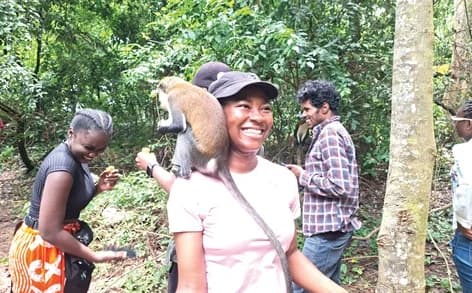
In a series of diverse developments across West Africa, local communities and government officials are championing cultural and environmental preservation alongside ambitious economic rebranding. In Ghana’s Volta Region, the Tafi-Atome Monkey Sanctuary has emerged as a premier model for community-based conservation. Spanning 360 hectares, the sanctuary protects the sacred Mona monkeys through a unique blend of traditional taboos and scientific management. Guided by local figures such as Robert Dzandu, the project serves as a vital carbon sink and a stabilizer for local rainfall patterns, demonstrating how biodiversity can support local livelihoods even as it faces modern threats from climate change and agricultural expansion.
Meanwhile, Nigeria is witnessing a significant shift in its creative landscape as Abuja hosted Nigeria Fashion Week for the first time in 2026. Moving the event from the commercial hub of Lagos to the capital city, organizer Lexy Mojo-Eyes aims to transform Abuja into a continental fashion powerhouse. The event featured boisterous, carnival-style designs and drew support from Culture Minister Hannatu Musa Musawa, who emphasized the need for collaboration between the government and the creative arts. Despite the "sleepy" reputation of the capital and challenges regarding infrastructure and high living costs, the showcase underscored Abuja's potential to evolve into a vibrant cultural center.
The global reach of the region’s agricultural products also made headlines recently, albeit through a security lens at New York’s John F. Kennedy International Airport. U.S. Customs and Border Protection reported that a specialized sniffer dog named Rowdy intercepted 72 pounds of prohibited Ghanaian food items, including yams, vegetables, and spices. While the seizure highlights the strict regulations protecting international agriculture, it also reflects the ongoing movement of traditional West African goods across borders. Together, these stories illustrate a region in transition—balancing the preservation of its natural and sacred heritage with the modernization of its urban centers and its integration into the global economy.