••
Ghana Cocoa Board Act 2026 prohibits mining within 500 metres of cocoa farms
•2 min read•1 source
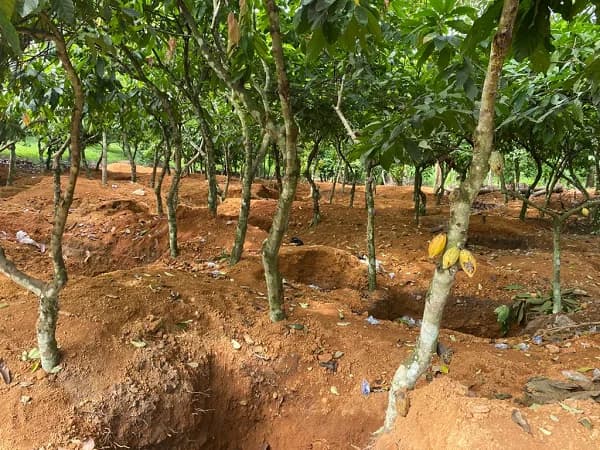
The Ghana Cocoa Board Act, 2026 (Act 1182) has been introduced as a decisive legislative measure to protect the nation’s cocoa sector from the devastating impact of illegal mining, commonly known as galamsey. Under this new legal framework, all extractive and mining activities are strictly prohibited within a 500-metre radius of any cocoa farm. This buffer zone is designed to prevent the physical destruction of plantations and the chemical contamination of the soil and water sources that sustain the cocoa industry, which remains a cornerstone of Ghana’s economy.
The legislation marks a significant shift in national policy by explicitly prioritizing agricultural sustainability over immediate mineral wealth. For years, the expansion of both legal and illegal mining has threatened to undermine Ghana’s position as a leading global cocoa producer. By establishing these protected zones, the Act seeks to safeguard the livelihoods of millions of smallholder farmers and ensure the long-term viability of the industry. The move acknowledges that while mining provides short-term economic gains, the destruction of cocoa ecosystems could lead to irreversible environmental damage and economic instability.
Successful implementation of Act 1182 will depend on rigorous enforcement and precise logistical coordination, including the comprehensive mapping of cocoa farms to clearly define the prohibited zones. Furthermore, the Act calls for a collaborative approach between the Ghana Cocoa Board (COCOBOD), the Minerals Commission, and security agencies to monitor compliance. As the administration of President John Mahama continues to address the complexities of illegal mining, this Act provides a clearer legal mandate to halt the encroachment of extraction into fertile agricultural lands.
Related topic
John Mahama: Latest News & Updates →

