••
Understanding Domestic Cockroach Infestations: Why Presence Does Not Always Equal Poor Hygiene
•2 min read•1 source
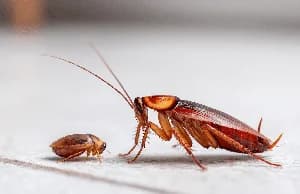
The sight of a cockroach scuttling across a kitchen floor or wall often triggers an immediate sense of alarm and social embarrassment for homeowners. In many Ghanaian households, these pests are traditionally viewed as a direct indictment of the resident's personal hygiene and household sanitation standards. However, recent insights into pest behavior suggest that the relationship between cleanliness and infestation is far more complex than commonly assumed, challenging the long-held stigma associated with these resilient insects.
While cockroach sightings naturally prompt significant concerns regarding domestic hygiene and food safety, their presence does not automatically imply that a living space is dirty or poorly maintained. These insects are opportunistic survivors that can be introduced into even the most pristine environments through various means, including grocery bags, cardboard packaging, or shared infrastructure in multi-residential buildings. Once they have gained entry, they prioritize basic biological needs such as warmth and moisture—elements that are present in any inhabited structure, regardless of how frequently the surfaces are cleaned.
This distinction highlights a critical need for a deeper public understanding regarding pest presence and the factors that lead to home invasions. Rather than focusing solely on the perceived shame of an infestation, it is more productive to acknowledge that cockroaches are driven by biological imperatives that transcend simple housekeeping. By moving away from the reflexive assumption that pests are a sign of neglect, homeowners and residents can better focus on comprehensive, science-based approaches to pest management and long-term prevention in their living spaces.