••
Ghana Bolsters Environmental Defense Through China Mining Pact, Atewa Park Demands, and Urban Tree Protection
•2 min read•4 sources
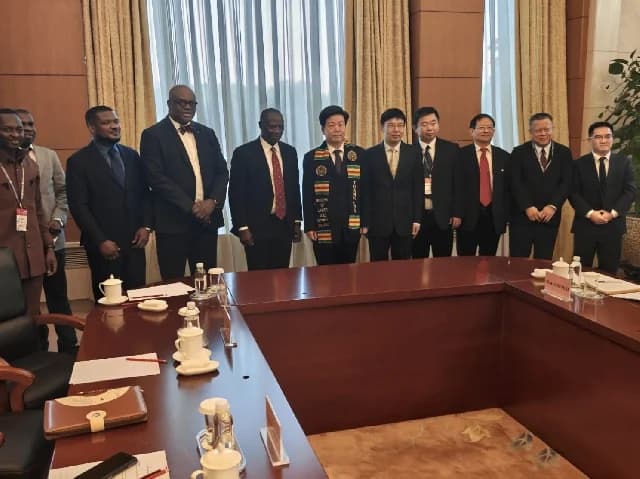
Ghana is intensifying its multi-faceted approach to environmental sustainability, marked by a landmark agreement with China to curb illegal mining and local initiatives to protect forest reserves and urban green spaces. At the 2026 China Mining Conference in Tianjin, Lands and Natural Resources Minister Emmanuel Armah-Kofi Buah established a three-point strategy with China’s Deputy Minister of Natural Resources, Sun Shuxian. The pact focuses on enhancing geological cooperation and ensuring that Chinese companies comply with Ghanaian laws. Minister Buah warned that illegal activities will face strict sanctions, while China has pledged technical support for rehabilitating abandoned mining sites and implementing green mining technologies. Meanwhile, environmental groups such as A Rocha Ghana and the Concerned Citizens of Atewa Landscape are advocating for the Atewa Range Forest Reserve to be designated as a National Park. They argue that the current reserve status is insufficient to protect its critical biodiversity and water sources from the persistent threat of illegal mining. Reports of hostility toward forestry officials highlight the urgency for stronger security and national protection. Advocates believe that National Park status would not only safeguard the ecosystem but also provide a framework for sustainable development within local communities. Urban environmental protection is also a priority, as seen in the Tema Metropolitan Assembly’s (TMA) recent crackdown on unauthorized tree felling. Chief Executive Madam Ebi Bright condemned the illegal removal of trees at the Meridian Enclave, describing it as a crime against the city’s climate regulation efforts. As an industrial and port hub, Tema relies heavily on these trees for air purification. The TMA is urging residents and stakeholders to respect environmental regulations, noting that illegal developments are also contributing to the degradation of the city's drainage systems. Complementing these policy and enforcement measures, restoration practitioners in Sunyani are refining the technical aspects of reforestation. During a peer-to-peer exchange, experts like Dr. Eva Agana shared findings on seedling transplanting, emphasizing that smaller, better-prepared seedlings often have higher survival rates than larger ones in natural conditions. The discussions highlighted the need for private-sector investment to ensure the long-term viability of restoration projects. By integrating international cooperation, community advocacy, and scientific best practices, Ghana is working toward a more resilient and protected natural environment.