••
Ghana exports to China surge 166% under new zero-tariff policy
•2 min read•2 sources
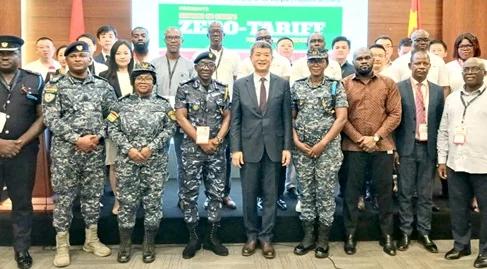
Ghana's exports to China experienced a dramatic increase in mid-2026, with imports from Ghana rising by 166% month-on-month to reach $290 million in June. This surge is directly attributed to the implementation of China's zero-tariff policy, which was extended to products from 53 African nations, including Ghana, starting May 1, 2026. Chinese Ambassador to Ghana, Cong Song, disclosed these figures during a reception organized by the MOFCOM Scholars Alumni Association in Accra, highlighting the rapid impact of the trade initiative on bilateral commerce.
The recent growth builds on a strong foundation established in the previous year. According to Ambassador Song, total bilateral trade between the two nations reached $14.12 billion in 2025. During that period, Ghanaian exports to the Chinese market rose by 33.9% year-on-year to hit $2.67 billion. The ambassador noted that the new duty-free access specifically benefits key Ghanaian commodities such as cocoa, providing local exporters with a significant competitive advantage in a market of approximately 1.4 billion people.
The zero-tariff arrangement is designed to do more than just increase trade volumes; it aims to foster deeper economic integration and encourage Chinese investment in Ghana’s manufacturing and processing sectors. By removing trade barriers, the policy seeks to enhance market access for Ghanaian producers while ensuring they comply with international standards and Chinese local regulations. Ambassador Song emphasized that this shift would help Ghanaian products gain a stronger foothold in China, ultimately supporting sustainable economic growth.
To capitalize on these opportunities, the MOFCOM Scholars Alumni Association is working to educate local producers on the technical requirements of the Chinese market. Stakeholders at the Accra forum called for increased investment in value-added processing to ensure that Ghana does not merely export raw materials but also finished goods that command higher prices. As the policy matures, officials expect a further diversification of Ghanaian exports to include a wider array of manufactured and processed agricultural goods.
