••
Ghana reduces child labour cases by 94% to 14,000 in 2024
•2 min read•1 source
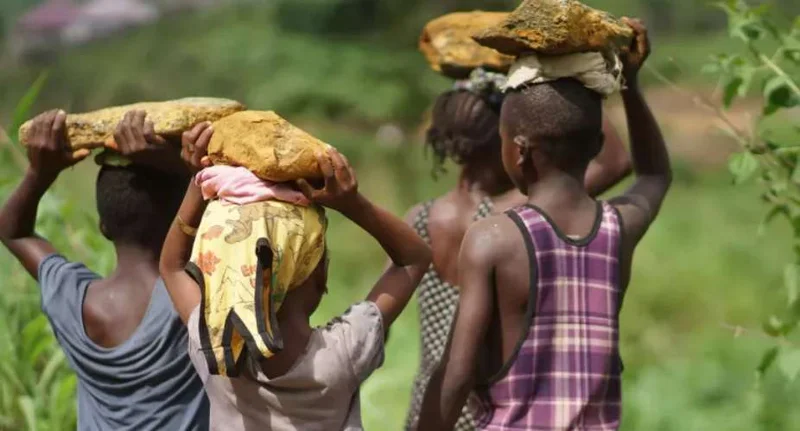
Ghana has recorded a significant milestone in its efforts to combat child exploitation, with a new report revealing a 94% reduction in identified child labour cases over the past year. According to the data, the number of instances plummeted from over 227,000 in 2023 to approximately 14,000 in 2024. While this sharp decline represents a major breakthrough for the country's social protection systems, stakeholders cautioned that the figures also expose critical gaps in the reach of current interventions and support mechanisms.
Despite the headline success, the report highlights substantial deficiencies in the implementation of the National Plan of Action (NPA). Out of 54 planned activities designed to eradicate child labour, only 6% were found to be fully implemented. This lack of comprehensive execution has left many vulnerable children without necessary resources; statistics show that only 40% of at-risk boys and 35% of at-risk girls received the assistance they required after being identified. The disparity suggests that while fewer cases are being officially recorded, the state's capacity to provide remedial care for those still trapped in the system remains limited.
The findings indicate that the cocoa sector continues to be the primary source of identified cases, benefiting from concentrated international and domestic monitoring. However, the report calls for an urgent broadening of scope to include other high-risk areas, specifically the mining sector, where child labour remains a persistent and often more hazardous threat. To sustain the progress made in 2024, recommendations include enhancing vocational training for children withdrawn from labour and improving collaboration between government agencies and non-governmental organisations. The report stresses that reliable funding and a more robust tracking mechanism for the NPA are essential to ensuring that these gains are not lost in the coming years.