••
Ghana Chamber of Mines and Industry Stakeholders Demand Tax and Energy Relief to Support Mandatory Local Gold Refining
•3 min read•14 sources
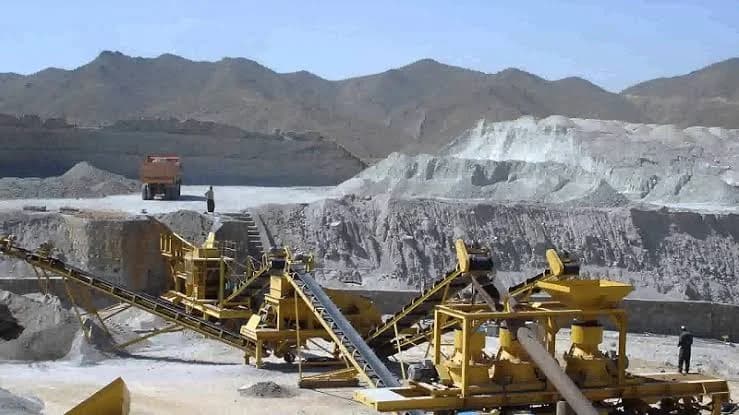
Ghana is set to transform its mining sector through a new directive from the Ghana Gold Board (GoldBod) that mandates the local refining of all gold doré before export, effective September 1, 2026. This policy, which aligns with the Ghana Gold Board Act of 2025, aims to ensure the country retains more value from its mineral resources and eventually ends the export of raw minerals by 2030. While industry leaders support the shift toward value addition, the Ghana Chamber of Mines has warned that the transition will incur significant operational costs. CEO Dr. Ken Ashigbey has called for the government to put "skin in the game" by reviewing taxes and levies that affect refineries and providing access to cheaper hydroelectric and solar power to ensure the commercial viability of local processing.
The economic burden of local refining is a primary concern for stakeholders, as current costs in Ghana are estimated at $10 per ounce, significantly higher than the $2.50 per ounce charged in international hubs like London. To bridge this gap, the Chamber of Mines argues that private refinery operators must invest in advanced technology while the government provides a supportive fiscal framework. Despite these financial challenges, the Association of Small-Scale Miners has thrown its weight behind the directive. Communication Director Abdul Razak Alhassan emphasized that the broader economic benefits—particularly job creation and the reduction of youth unemployment—outweigh the immediate increase in operational expenses. The association views the policy as a critical investment in Ghana’s industrial self-reliance and long-term economic growth.
Parallel to these policy shifts, the Institute of Economic Affairs (IEA) has moved to clarify public misconceptions regarding a reported GH―1.7 billion loss involving GoldBod and the Bank of Ghana’s Domestic Gold Purchase Programme. Professor Alexander Bilson-Darku of the IEA explained that approximately 90% of the figure stems from accounting practices and foreign exchange valuation differences rather than actual economic losses. He clarified that payments made to GoldBod should be viewed as internal revenue transfers between state institutions. This clarification comes at a crucial time as the government seeks to maintain investor confidence while navigating the complexities of stabilizing the macroeconomy through gold-backed initiatives.
As Ghana moves toward its 2030 goal of achieving London Bullion Market Association (LBMA) accreditation for a local refinery, the success of the 2026 mandate will depend on a collaborative "shared burden" approach. Dr. Ashigbey and other industry advocates stressed that without a cooperative framework to manage energy and tax costs, the refining policy could inadvertently strain the mining sector. Moving forward, the government is expected to engage in further dialogue with both large-scale and small-scale miners to refine the roadmap for local value addition, ensuring that the country’s mineral wealth translates into sustainable national development.
Live rates
Ghana gold price →

