••
Ghana cedi holds steady at GH₵12.25 against US dollar
•2 min read•2 sources
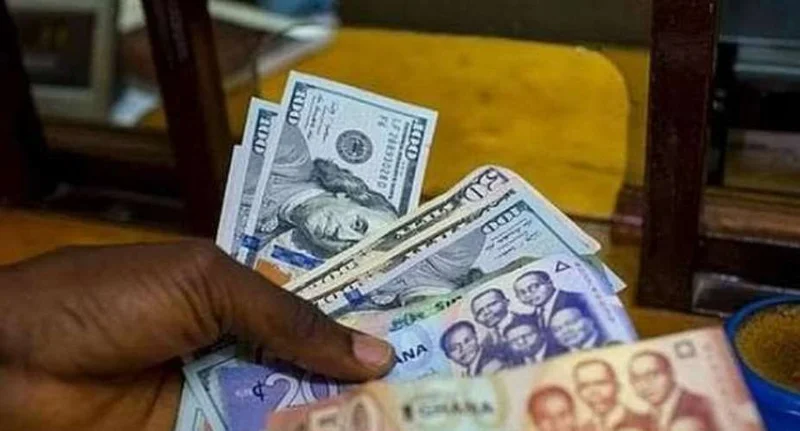
The Ghana cedi maintained its stability against the US dollar on November 5, 2026, showing consistent performance across both the interbank and retail markets. According to data from the Bank of Ghana and local forex bureaus, the currency held firm after a period of relative predictability, with official selling rates at the central bank level remaining at GH₵11.67. This stability provides a measure of certainty for businesses and importers who rely on foreign exchange for international trade.
In the interbank market, which serves as the official benchmark for the banking sector, the Bank of Ghana reported a buying rate of GH₵11.65 and a selling rate of GH₵11.67. Retail markets, represented by various forex bureaus, showed slightly wider margins, with the dollar being purchased at GH₵11.95 and sold at GH₵12.25. These figures remained unchanged from the previous day's trading sessions, reflecting a period of calm for the local currency against the greenback.
While the cedi remained firm against the dollar, it showed signs of weakening against other major global currencies during the same period. At forex bureaus, the British pound was quoted at GH₵15.50, while the euro stood at GH₵13.03. Money transfer services such as LemFi and Taptap Send continued to offer competitive rates for remittances, which market observers suggest indicates that the cedi's stability is being maintained across various types of financial transactions and payment platforms.
The current performance of the cedi is seen as a vital indicator for the broader Ghanaian economy, as currency stability is a key factor in controlling inflation and the cost of imported goods. While the cedi faces ongoing pressure from the pound and the euro, its steady position against the US dollar is expected to support price stability in the retail sector. Market participants continue to monitor central bank interventions and global market trends to gauge the currency's trajectory in the coming weeks.
Live rates
Pound to cedi rate →