••
Ghanaian cedi depreciates slightly to GH₵12.25 on the forex market
•2 min read•1 source
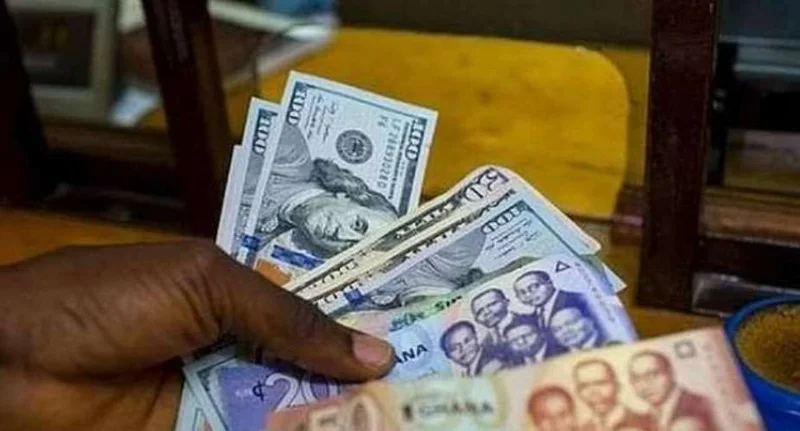
On November 6, 2026, the Ghanaian cedi experienced a marginal depreciation against the US dollar, trading at an average selling rate of GH₵12.25 at various forex bureaus across the country. This slight decline reflects ongoing market dynamics as the local currency continues to navigate pressures within both the retail and interbank sectors. While the retail market saw higher figures for the dollar, the Bank of Ghana’s interbank market maintained a relatively lower position, with the dollar selling at an average of GH₵11.67.
Detailed figures from forex bureaus indicate that the cedi's buying rate stood at an average of GH₵11.95, while the selling rate was recorded at GH₵12.15 in some segments before reaching the GH₵12.25 average. On the formal interbank market, which often serves as a benchmark for commercial transactions, the buying rate was recorded at GH₵11.65 against the selling rate of GH₵11.67. The spread between bureau and interbank rates highlights the differing liquidity conditions and demand levels between the retail and formal financial sectors.
Beyond the US dollar, the cedi saw adjustments against other major international currencies. The British pound was traded at an average buying rate of GH₵15.53 and a selling rate of GH₵16.42 at forex bureaus, while its interbank rate was recorded at GH₵15.72. Similarly, the Euro was recorded at a buying rate of GH₵13.03 and a selling rate of GH₵13.83 at the bureaus. On the interbank market, the Euro maintained a buying rate of GH₵13.10, reflecting a consistent spread across major trading pairs.
The day's trading also extended to digital payment platforms and remittance services, which are increasingly vital for personal and business transactions. For those using international subscription services, Visa recorded a transaction rate of GH₵12.58, while Mastercard followed closely at GH₵12.56. Meanwhile, money transfer operators such as LemFi and Taptap Send offered varying rates to accommodate the remittance needs of the Ghanaian diaspora, further illustrating the multi-tiered nature of the foreign exchange environment.
Live rates
Pound to cedi rate →