••
Ghanaian cedi appreciates to GH‵11.66 against US dollar on interbank market
•2 min read•1 source
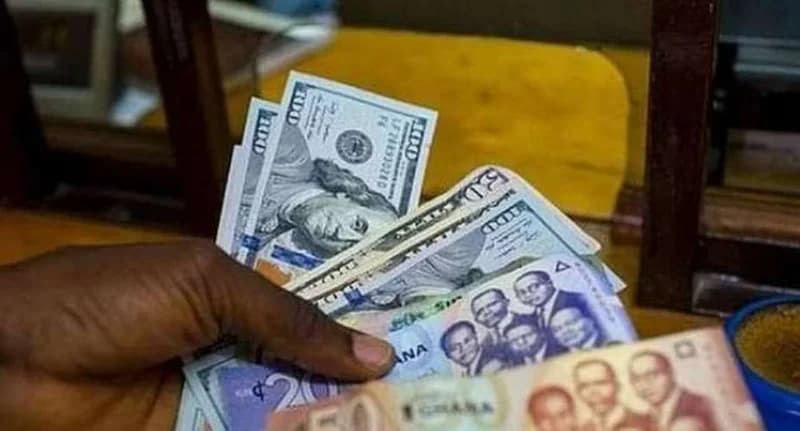
The Ghanaian cedi recorded gains against the United States dollar on Wednesday, October 16, 2026, continuing a recent trend of relative currency stabilization. On the interbank market, the local currency traded at an average buying rate of GH‵11.64 and a selling rate of GH‵11.66. This performance reflects ongoing efforts under the government’s economic recovery programme to manage exchange rate volatility and restore macroeconomic stability.
At private forex bureaus, the cedi's performance remained slightly more varied but showed resilience. The buying rate at these bureaus stood at GH‵11.90, while the selling rate was quoted at GH‵12.25. Broader market averages for the day indicated a buying rate of GH‵11.85 and a selling rate of GH‵12.17. These figures suggest a narrowing gap between official interbank rates and the retail market, a key indicator often monitored by analysts for signs of market efficiency.
Beyond the US dollar, the cedi also demonstrated movement against other major international currencies, including the British pound and the Euro. The remittance sector remains a significant factor in the local foreign exchange ecosystem, with digital platforms such as LemFi and Taptap Send continuing to offer competitive rates for Ghanaians receiving funds from abroad in major global currencies.
The current appreciation comes as the administration of President John Mahama continues to implement fiscal measures aimed at strengthening the national economy. Financial analysts suggest that the sustained stability of the cedi is crucial for controlling inflation and reducing the cost of imported goods. As the government maintains its focus on the economic recovery programme, market participants will be looking for continued consistency in the central bank's monetary interventions and foreign exchange reserve management.
Related topic
John Mahama: Latest News & Updates →Live rates
Pound to cedi rate →

