••
Ghana Catholic Bishops’ Conference urges tighter border controls
•2 min read•2 sources
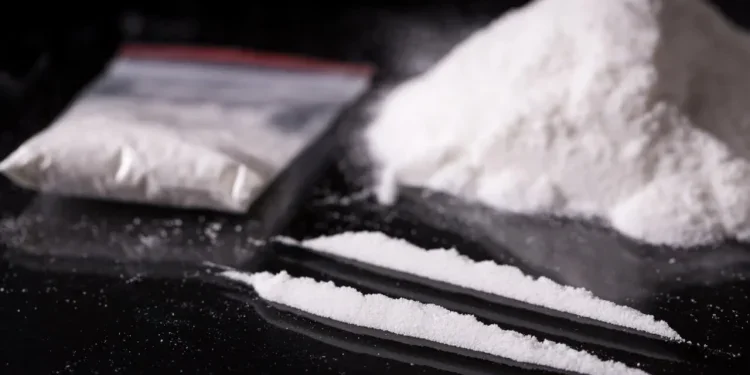
The Ghana Catholic Bishops’ Conference (GCBC) has called on state institutions to intensify efforts against drug trafficking and substance abuse, citing growing threats to national security and public health. In a communiqué issued following their annual Plenary Assembly held from November 3 to 14, 2026, the clergy emphasized the urgent need for enhanced border security and intelligence-led enforcement. The call comes in response to high-profile international drug seizures that have tarnished the country's image and raised alarms about its role in the global narcotics trade.
A primary catalyst for the Bishops’ concern was the recent interception of 2.6 tonnes of cocaine by Spanish authorities. The shipment, which had been meticulously concealed within a cargo of coconuts, was traced back to Ghana. The GCBC noted that such significant seizures highlight vulnerabilities in the nation’s current monitoring systems. They urged the government to strengthen intelligence operations and provide security agencies with the necessary resources to detect and dismantle trafficking networks before they can export illicit substances.
Beyond trafficking, the Bishops highlighted the devastating impact of substance abuse on Ghanaian youth and family stability. They argued that drug dependency is not merely a legal issue but a burgeoning public health crisis that requires a multifaceted response. The communiqué called for the expansion of rehabilitation services and the integration of preventive education within schools and families. The clergy stressed that religious institutions, educational bodies, and households must work collectively to provide support for those struggling with addiction.
The annual assembly, themed “Communion, Participation and Mission: Preparing the Catholic Church in Ghana for Her 150th Anniversary in 2030,” served as a platform for the Bishops to align their spiritual mission with national development goals. As the Church looks toward its sesquicentennial celebrations, the GCBC maintained that ensuring community stability and the well-being of the youth is vital for the nation's future. They urged the state to act decisively now to protect the integrity of Ghana’s borders and the health of its citizens.