••
Ghana Faces Growing Cardiovascular Crisis as Health Advocates Demand Mandatory Food Warning Labels
•2 min read•2 sources
Heart disease and stroke have solidified their position as the leading causes of hospital deaths in Ghana, sparking urgent calls for both medical intervention and policy reform. Since 2016, non-communicable diseases (NCDs) have accounted for approximately 45% of all deaths in the country, with cardiovascular diseases specifically responsible for 18% of that total. This rising health burden has prompted a dual response: medical experts are sounding the alarm over soaring hypertension rates, while civil society organizations are marching for stricter food labeling laws to combat the dietary triggers of these conditions.
Speaking at a media event for World Heart Day in Accra, Dr. Florence Akumiah, a cardiology fellow at the Korle-Bu Teaching Hospital, highlighted the severity of the situation. Data from the recent WHO STEPS survey reveals that hypertension now affects roughly one in five Ghanaian adults, with a notably higher prevalence among women and residents in urban areas. Dr. Akumiah expressed particular concern regarding the increasing number of young people reporting serious complications related to high blood pressure, emphasizing that the window for preventive action is narrowing as the disease profile of the nation shifts.
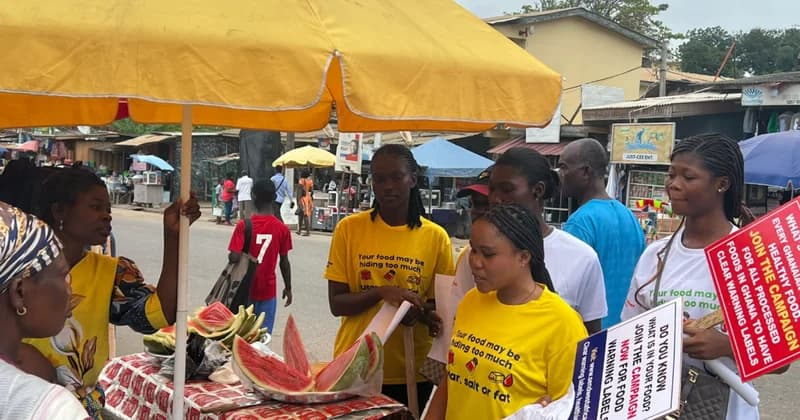
In a direct effort to address the dietary roots of these NCDs, SEND-Ghana and students from the University of Cape Coast’s (UCC) Department of Food and Nutrition recently organized a public education float. Under the theme "Your food may be hiding too much sugar, salt or fat," participants advocated for the implementation of mandatory Front-of-Pack Warning Labelling (FOPWL) on processed foods. The campaign seeks to provide consumers with clear, immediate information about the nutritional risks of their purchases, arguing that transparent labeling is essential for making informed health decisions in an increasingly urbanized food environment.
The convergence of medical warnings and public advocacy underscores a critical juncture for Ghana’s public health strategy. As health experts push for increased screening and awareness to manage hypertension, activists are placing the onus on the government to enact mandatory FOPWL policies to protect vulnerable populations. Strengthening the regulatory framework for processed foods, combined with enhanced clinical preventive measures, is seen as the necessary path forward to reduce the prevalence of diet-related diseases and alleviate the pressure on Ghana's healthcare system.
