••
Ghana targets $20 million in carbon credit revenue by 2030
•2 min read•1 source
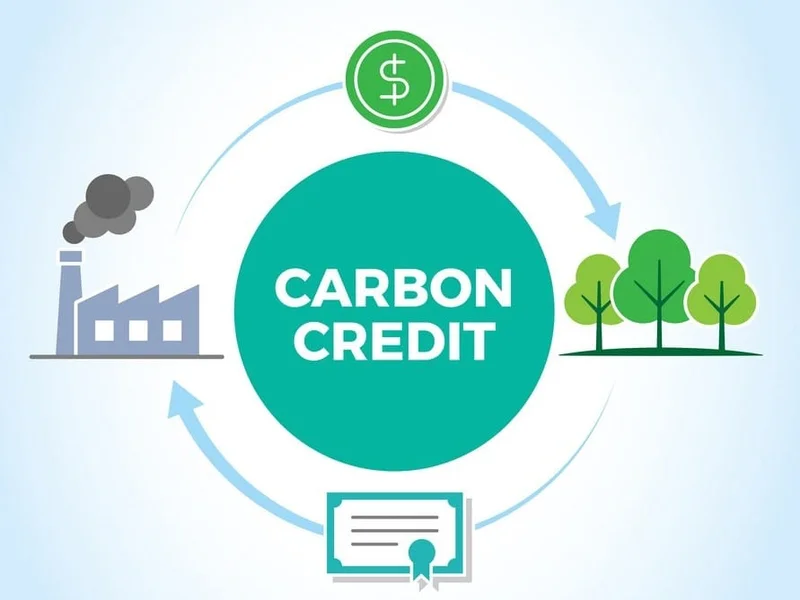
Ghana is positioning itself to become a significant player in the global carbon credit market, a strategy highlighted during discussions at the COP31 summit in Türkiye. By monetizing emission reductions, the country aims to generate substantial foreign revenue while simultaneously addressing environmental challenges. A carbon credit, which represents one metric ton of carbon dioxide equivalent (CO2e) reduced or avoided, has become a pivotal financial mechanism for climate action, and Ghana is now formalizing its participation through new regulatory frameworks and strategic partnerships.
To facilitate this transition, the government has established the Carbon Market Office to oversee the issuance and trading of credits. This office ensures that activities such as forest conservation and improved waste management meet rigorous international verification standards. One notable example of this strategy in action is a partnership with the Jospong Group, which is expected to generate approximately $20 million in revenue by 2030. These projects not only contribute to global climate goals but also offer tangible domestic benefits, including the creation of green jobs and the modernization of waste infrastructure across the country.
While the financial prospects are promising, experts at the summit emphasized that the success of Ghana's carbon market depends on transparency and equitable benefit-sharing. It is vital that the communities directly involved in protecting forests and managing environmental resources receive a fair share of the revenue generated. Proper regulation and robust verification processes are being implemented to ensure that environmental initiatives remain credible on the international stage, maximizing the financial potential of the nation’s sustainability efforts.
As global demand for carbon offsets grows, Ghana's proactive approach signals a shift toward integrating environmental stewardship with economic development. By leveraging its natural resources and improving industrial efficiency, the nation is setting a precedent for other African countries looking to tap into climate finance. The ongoing developments at COP31 underscore the importance of these markets in providing the necessary capital for developing nations to transition toward a low-carbon economy.