••
Ghana and Burkina Faso Intensify Flood Mitigation Efforts as Bagré Dam Nears Critical Spillage Level
•3 min read•3 sources
Authorities in West Africa are on high alert as Burkina Faso's Bagré Dam approaches its maximum capacity, threatening downstream communities in Ghana. The water level at the reservoir has risen to 234.50 metres, representing approximately 93.31% of its capacity. Burkina Faso’s national electricity company, Sonabel, has indicated that controlled spillage will begin if the water reaches the 234.75-metre threshold. The Water Resources Commission (WRC) has advised residents near the banks of the White Volta to remain vigilant and prepare for potential impacts as the dam currently sits just 0.50 metres below its normal operating level. This regional water challenge coincides with intensified domestic efforts by the Ghanaian government to address perennial flooding through major engineering interventions.
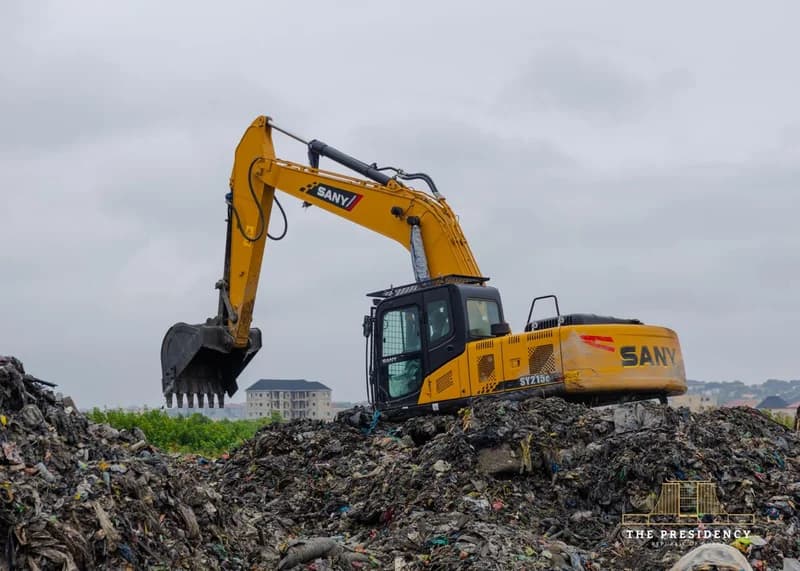
In Accra, a significant operation is underway to reclaim the Lafa Water Retention Basin, which serves the Mallam, Weija, and Dansoman areas. Led by the Ghana Armed Forces' 48 Engineer Regiment and the Post-Flood Mitigation Task Force, the exercise involves dredging, debris removal, and the demolition of illegal structures. For years, illegal dumping and encroachment have severely compromised the basin's drainage capacity, leading to devastating floods in communities such as Blue Lagoon. Military engineers are currently using heavy equipment to remove solid waste and silt, a process expected to last several weeks. This restoration project is part of a broader national initiative supported by the presidency to enhance drainage infrastructure across the capital.
While major basin reclamations continue in the capital, residents in the Bono Region are calling for urgent localized interventions. In the Akokora Kwadjom neighborhood of Sunyani, a deep trench created by recent heavy rains has raised significant safety concerns. Following a severe storm on August 19, 2026, the existing drainage system caved in, leaving a dangerous opening that residents fear poses a particular risk to children. The National Disaster Management Organisation (NADMO) has since inspected the site, advising residents to stay clear of the trench while coordinating with the Sunyani Municipal Assembly to implement structural improvements.
These concurrent developments highlight the ongoing struggle against urban encroachment and the increasing pressure on water management infrastructure. NADMO and the Ghana Hydrological Authority continue to emphasize that restoring natural water paths and maintaining clear drainage systems are the most effective ways to mitigate flood risks. As the rainy season progresses, authorities have issued a stern warning to citizens against constructing buildings in waterlogged areas or floodplains. The government remains focused on both immediate disaster prevention at the Bagré Dam and long-term infrastructure restoration to protect lives and property across the country.