••
Government and Private Sector Launch Initiatives to Close Critical Breast Cancer Screening Gaps in 11 Regions
•2 min read•2 sources
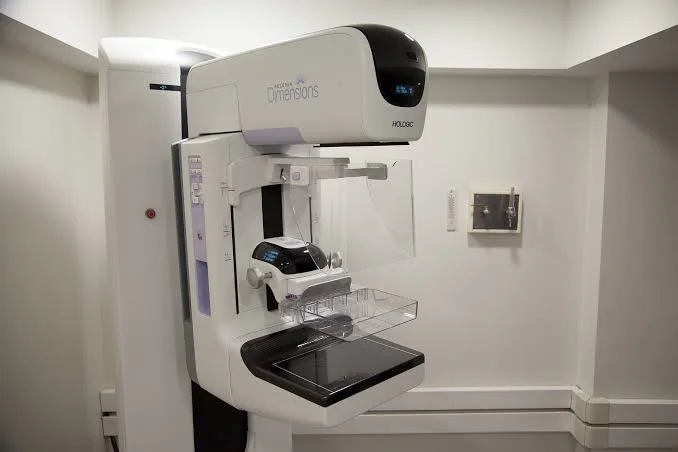
Ghana is facing a significant deficit in breast cancer screening infrastructure, with mammography services currently available in only five of the country's 16 regions. This geographical disparity leaves healthcare workers in underserved areas heavily reliant on physical examinations, which often fail to detect cancers in their earliest, most treatable stages. During the launch of National Breast Cancer Awareness Month, health experts and officials highlighted a recent assessment by the Ghana Medical Trust Fund, which revealed that public health facilities across the nation are equipped with just five mammography machines and two radiotherapy machines, creating a substantial barrier to timely diagnosis and treatment.
In response to these findings, Deputy Health Minister Prof. Dr. Grace Ayensu-Danquah announced that the government is investing in new mammography and radiotherapy technology to equip more facilities. Under the "Mahama Cares" initiative, the administration of President John Mahama is providing targeted support for women diagnosed with breast cancer by funding research, specialist consultations, and treatment costs. The initiative aims to improve access to timely cancer care and investigate the specific types of breast cancer most prevalent in Ghana to better inform future clinical strategies.
Complementing these state efforts, the private sector is introducing innovative mobile solutions to reach remote communities. Dr. Victor Dedjoe, CEO of Sayo’s Medical Imaging and Diagnostics, recently introduced a mobile mammography van equipped with high-resolution 3D imaging and Artificial Intelligence (AI) technology. Dr. Dedjoe noted that the lack of access in 11 regions makes screening extremely difficult and urged corporate entities and philanthropists to support the expansion of mobile services. These mobile units are designed to bring advanced diagnostic tools directly to underserved populations, bypassing the infrastructural limitations of traditional clinics.
As the government and private partners work to decentralize cancer care, health officials continue to urge women to practice regular self-examinations and seek immediate medical attention for any unusual changes. The integration of mobile technology and the "Mahama Cares" funding represents a multi-pronged approach to reducing the high mortality rates associated with late-stage diagnosis. The success of these interventions will ultimately depend on the speed at which new equipment is deployed and the continued expansion of screening services to every region in the country.
Related topic
John Mahama: Latest News & Updates →

