••
Black Queens aim for 2028 Olympic Games debut after decades of near misses
•2 min read•1 source
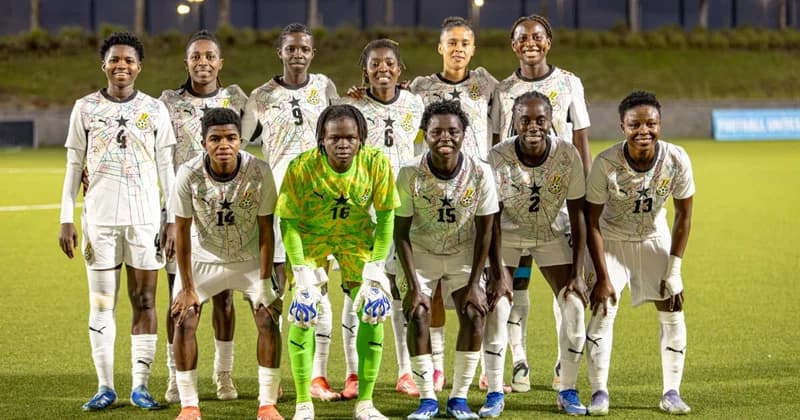
The Black Queens are intensifying their focus on securing a first-ever qualification for the Olympic Games after a long history of disappointment on the continental stage. Despite being one of Africa's most established women's football programs, the team has missed out on every Olympic tournament since the sport was introduced to the Games in 1996. The national side is now looking toward the 2028 Los Angeles Games as a definitive opportunity to break this long-standing drought and finally establish their presence in the global Olympic arena. The journey to the Olympics has been marked by several heartbreaking "near misses" that have defined the team's historical attempts at qualification. The Black Queens came closest to reaching the tournament in 2008 for the Beijing Games but fell just short during the final stages of the qualifying campaign. Over the decades, they have faced significant hurdles from major continental rivals, including narrow defeats against Nigeria and a difficult playoff against Brazil, which have repeatedly stalled their progress. These historical setbacks highlight a persistent gap between the team's strong continental reputation and their ability to secure one of the limited African slots for the Olympics. While the Black Queens have frequently competed in the Women’s Africa Cup of Nations and reached the FIFA Women’s World Cup in the past, the Olympic qualification format has proven uniquely difficult. Analysis of recent performances indicates that while the talent pool remains deep, there is a pressing need for improved tactical preparation and more consistent execution to avoid the "crashouts" seen in previous cycles. Looking ahead to the 2028 Los Angeles cycle, the pressure is mounting for the Ghana Football Association and the technical staff to ensure a more successful qualifying path. The Black Queens cannot afford another cycle of narrow misses if they are to maintain their status as a top-tier African side and progress on the international stage. Success in the upcoming qualifiers will require addressing the defensive lapses and mental hurdles that characterized past failures, turning decades of frustration into a historic Olympic debut in the United States.

