••
Ghana Ordered to Pay US$235 Million in ICC Arbitration Over Teshie-Nungua Desalination Plant
•2 min read•9 sources
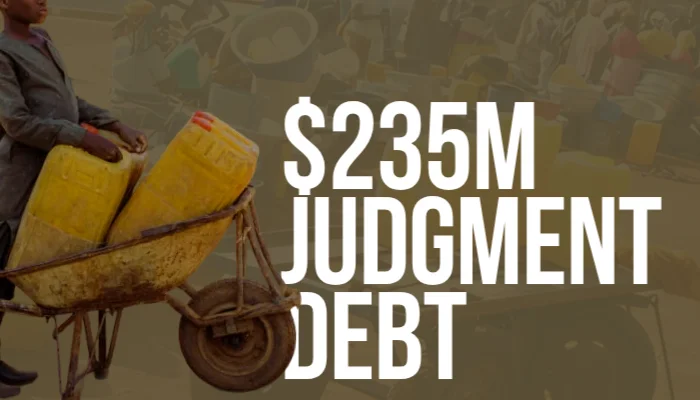
An international arbitration tribunal operating under the International Chamber of Commerce (ICC) has ordered Ghana Water Limited (GWL) to pay US$235 million to Befesa Desalination Developments Ghana Limited (BDDG). The ruling, delivered in September 2026, stems from the termination of a Water Purchase Agreement (WPA) related to the Teshie-Nungua Desalination Plant. The awarded amount is net of taxes, with interest set to accrue from April 1, 2026. The tribunal also dismissed substantial counterclaims from the Ghanaian utility provider, which had sought US$144.5 million from the developers. As the state serves as the ultimate guarantor for the project, the government of Ghana now faces a significant financial liability that nearly doubles the plant’s original construction cost.
Commissioned in 2015 for approximately US$126 million, the Teshie-Nungua plant was designed to alleviate chronic water shortages by producing 60,000 cubic meters of water daily for roughly 500,000 residents. However, the project was plagued by a fundamental economic mismatch: the cost of producing desalinated water was significantly higher than the price Ghana Water Limited was legally permitted to charge consumers. This financial gap, combined with reported structural defects and mounting maintenance issues, led to a breakdown in the partnership. The facility has been largely non-operational since October 2025, leaving the very communities it was meant to serve in a state of crisis.
The legal dispute escalated in October 2024 when BDDG initiated arbitration proceedings following the deterioration of the contractual relationship. During the proceedings, it was revealed that GWL had only managed to pay a fraction of the debts associated with the plant, leading to the massive judgment debt. While the legal battle played out in international courts, residents in Teshie, Nungua, and surrounding areas have been forced to rely on expensive private water tankers and alternative informal sources due to prolonged water rationing and the idleness of the multi-million dollar facility.
Despite the finality of the ICC award, discussions for an amicable resolution between the government and the Spanish investors are reportedly ongoing. These negotiations aim to find a sustainable path forward that might involve reactivating the plant and settling the debt in a manner that does not further destabilize the national economy. The situation remains a stark example of the risks associated with high-stakes public-private partnerships and serves as a call for more rigorous contract management in Ghana’s utility sector to prevent future judgment debts of this magnitude.
Live rates
Dollar to cedi rate →