••
Ghana’s Agricultural and Coastal Livelihoods Threatened by Bagré Dam Spillage, Sand-Winning, and New Marine Protections
•3 min read•4 sources
Ghana’s rural and coastal communities are currently facing a complex array of challenges that threaten the country’s food security and local economies. From the imminent threat of transboundary flooding in the north to the environmental degradation of farmlands in the south and the implementation of new marine conservation laws in the west, residents are calling for urgent government intervention. These developments highlight a growing tension between environmental management and the immediate survival of farmers and fishers who form the backbone of the nation's primary sector.
In the North East Region, the National Disaster Management Organisation (NADMO) has triggered emergency response strategies as Burkina Faso’s national electricity company, SONABEL, officially began the 2026 spillway discharge at the Bagré Dam. On August 23, 2026, the dam’s spillway gates were opened when upstream water levels reached 234.79 metres. This annual event poses a significant risk to farmers along the White Volta, who are bracing for floods that could destroy immature crops. With the reservoir at over 92% capacity and the nearby Kompienga Dam already releasing water, NADMO is conducting water-level assessments and issuing safety warnings to downstream residents who depend on the fertile, yet high-risk, riverbank lands.
Further south in the Shai Osudoku District of the Greater Accra Region, the agricultural sector faces a different kind of man-made crisis. Over 50 acres of vital farmland in Tsumkpo have been devastated by sand-winning activities, leading to the destruction of maize, groundnuts, pepper, and cassava crops. Residents report that deep excavations are not only ruining their livelihoods but also threatening the structural integrity of their homes. While some operators claim to hold permits, local authorities have disputed these permissions, prompting calls for a full investigation into illegal mining practices that are stripping the region of its productive soil.
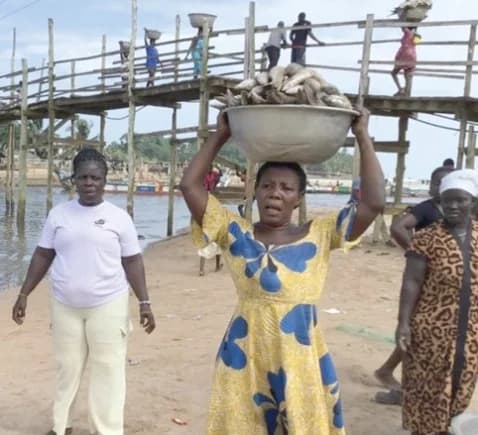
Simultaneously, the Western Region is navigating the transition toward Ghana’s first Marine Protected Area (MPA) at Cape Three Points. Spanning 703.86 square kilometres and affecting 21 coastal communities, the MPA aims to restore declining fish stocks and protect fragile marine ecosystems. However, the initiative has met with apprehension from local fishermen and fish processors who fear that new restrictions will lock them out of traditional fishing grounds. While the government intends to utilize designated zones to manage resources sustainably, community members are demanding clear education, infrastructure improvements, and alternative livelihood support to ensure that conservation does not come at the cost of human survival.
These disparate issues across the country converge on a single theme: the need for balanced resource management. Whether dealing with the predictable but destructive flow of the Bagré Dam, the unregulated exploitation of sand in Shai Osudoku, or the long-term goals of marine conservation, the success of these interventions hinges on community involvement and robust state protection. As authorities move forward, the focus remains on whether the government can effectively protect the environment while simultaneously safeguarding the economic interests of the citizens who rely most directly on Ghana's natural resources.