••
Ghana sports study reveals 40% of athletes asked for passports
•2 min read•1 source
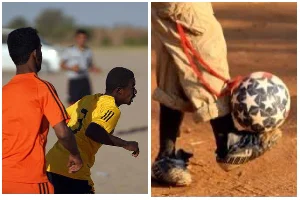
A baseline study on human trafficking in Ghanaian sports has uncovered alarming risks facing young athletes, revealing that 40% of those surveyed were asked to surrender their passports or identification documents. This finding, released in January 2026, highlights a critical vulnerability in the sports recruitment process, where the seizure of travel documents is often used as a tool of coercion and control by unscrupulous actors. The study aims to provide a data-driven foundation for addressing the growing concerns surrounding the exploitation of sports talent in the country.
In addition to the seizure of documents, the research identified significant financial barriers and fraudulent practices within the industry. According to the findings, 26.7% of respondents reported being asked for payments in connection with recruitment opportunities. These recruitment fees are frequently used to exploit the ambitions of young players and their families, who may go to great lengths to secure the necessary funds, only to find themselves victims of scams or trafficking networks masquerading as legitimate sports agencies.
The revelation of these statistics underscores the precarious nature of the path to professional sports for many Ghanaian youths. With a significant portion of the athletic population targeted for document surrender and illegal payments, the study serves as a call to action for sports governing bodies and law enforcement agencies. There is an urgent need for more robust regulatory frameworks to monitor agents and recruitment agencies, ensuring that the dreams of young athletes are protected from those who seek to profit through human trafficking and exploitation.