••
Ghana Intensifies Environmental Oversight with Atewa Forest Arrests and New Sustainable Urban Initiatives
•3 min read•4 sources
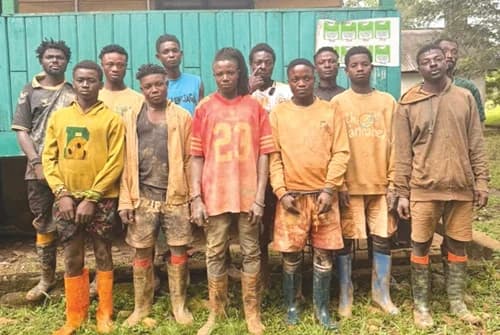
Ghana is stepping up its efforts to protect its natural resources and public health through a series of enforcement actions and regulatory clarifications. In a significant move to safeguard the country’s ecological heritage, the Forestry Commission’s Rapid Response Team recently arrested 12 illegal miners within the Atewa Range Forest Reserve. The suspects, aged between 18 and 32, were apprehended during an intelligence-led operation while actively mining in the protected area. The operation resulted in the seizure of motorbikes and mining equipment, with the individuals subsequently handed over to the Kyebi District Police for prosecution. Authorities emphasized that protecting the Atewa watershed is critical, as it serves as a vital water source for millions of Ghanaians and holds immense biodiversity value.
Simultaneously, the Shai-Osudoku District Assembly has moved to address concerns regarding sand mining operations in Tsumkpo. Following reports of alleged destruction of farmlands and crops, the Assembly conducted an investigation involving local farmers and the Agriculture and Environmental Health Departments, concluding that no crops were harmed. The Assembly clarified the limits of its regulatory power, noting that while it issues business permits, the granting of mining licenses remains the purview of the Minerals Commission. Officials are now collaborating with the Commission to review the mining company’s operations and have urged the media to verify environmental claims before publication to prevent community distress and misinformation.
In the capital, the ‘Stop Waste Burning’ campaign has been launched to combat deteriorating air quality in Accra. Initiated by Infinity 970 in partnership with the Clean Air Fund and local municipal assemblies, the program includes a dedicated reporting hotline for residents to flag open waste burning. Country Lead for the Clean Air Fund, Desmond Appiah, highlighted that open burning is a primary contributor to air pollution alongside transportation, posing severe risks to public health. The initiative focuses on community education and youth engagement in schools as a precursor to stricter enforcement of anti-burning penalties by municipal officials.
These local actions align with a broader national strategy for ‘Smart Sustainability,’ particularly within Ghana’s burgeoning construction sector, which now accounts for over 15% of the national GDP. Following global pledges at COP28 to achieve net-zero emissions for new buildings by 2030, Ghana is looking toward technological integration—such as AI and IoT—to reduce waste and enhance efficiency. By bridging financing gaps in green building and strengthening environmental policies, the nation aims to balance its rapid economic development with the stewardship required to meet its long-term climate goals and maintain a competitive edge in the global green economy.