••
Ghana Accelerates National Development Through Housing, Agricultural Innovation, and Community Microgrants
•2 min read•5 sources
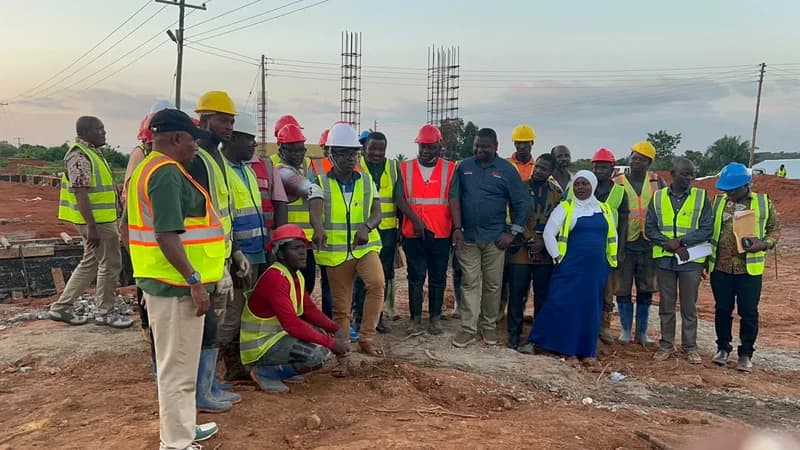
Ghana is currently witnessing a significant surge in national development projects across the housing, agriculture, and maritime sectors. A primary focus is the final phase of the Appiatse redevelopment project, where the government has commissioned 69 new housing units to support families displaced by the 2022 explosion. Minister for Lands and Natural Resources, Emmanuel Armah-Kofi Buah, highlighted that these green-certified buildings range from one to six bedrooms, aiming to restore normalcy to the community within the next 14 months. This resettlement effort follows previous phases that already integrated 124 housing units into the local landscape. Agricultural modernization is also taking center stage with the launch of the National Horticultural Seed Roadmap and the expansion of the Feed Ghana Programme. In collaboration with the Kingdom of the Netherlands, Deputy Minister for Food and Agriculture John Dumelo introduced a strategic roadmap to enhance the vegetable seed sector, particularly for tomato, onion, and pepper farmers. Complementing this, Minister Francis Owusu Antwi recently inspected a new Farmer Service Centre in Kintampo. This facility is the first of 11 planned centers designed to provide farmers with advanced Belarusian equipment, soil testing, and storage solutions to bolster food security. Grassroots development is being further empowered through the ‘Ting Labginsim’ initiative in the West Mamprusi Municipality. This project, a partnership between the Municipal Assembly and groups such as Advocates for Community Alternatives (ACA), will distribute $800,000 in microgrants to 100 communities. By allowing residents to identify and lead their own development projects in areas like sanitation and water services, the initiative strengthens local ownership. Simultaneously, the Ghana Maritime Authority (GMA) has affirmed its commitment to national security by refuting claims of ineffective vessel monitoring, confirming that its surveillance systems remain fully operational 24 hours a day. These diverse initiatives reflect a holistic approach to national growth, combining large-scale infrastructure with community-led development and technological advancement in agriculture. As these projects move toward completion, they are expected to significantly enhance the living standards, economic opportunities, and safety of citizens across multiple regions of Ghana.

