••
Ghana Leads Regional Efforts to Develop Specialized Nuclear and Maritime Workforces
•2 min read•2 sources
Ghana has emerged as a central hub for specialized technical education in Africa, recently hosting high-level initiatives aimed at building robust workforces for the nuclear and maritime sectors. At the 2026 US-Africa Nuclear Energy Summit (USANES) held in Accra, experts emphasized that the success of the continent's energy transition depends on a consistent pipeline of qualified personnel. Dr. David Otwoma of the Kenya Nuclear Society noted that Kenya alone requires a diverse workforce of approximately 10,000 personnel for its planned 1,000-megawatt nuclear power plant. Similarly, Nigeria has set an ambitious target to train 2,000 nuclear professionals by 2030, underscoring the urgent need for demand-driven education programs and the integration of nuclear science into early school curricula.
The summit panellists, including Dr. Matthew Opoku Prempeh and Prof. Elsie Kauffman, advocated for a collaborative approach involving government, industry, and academia to enhance Technical and Vocational Education and Training (TVET). They highlighted the importance of encouraging women's involvement in STEM fields and ensuring that workforce development is integrated into national planning. Prof. Lisa Marshall and other experts stressed that ongoing partnerships between educational institutions and the nuclear industry are essential to facilitate clear career pathways for young Africans, ensuring that infrastructure development does not outpace the availability of skilled labor.
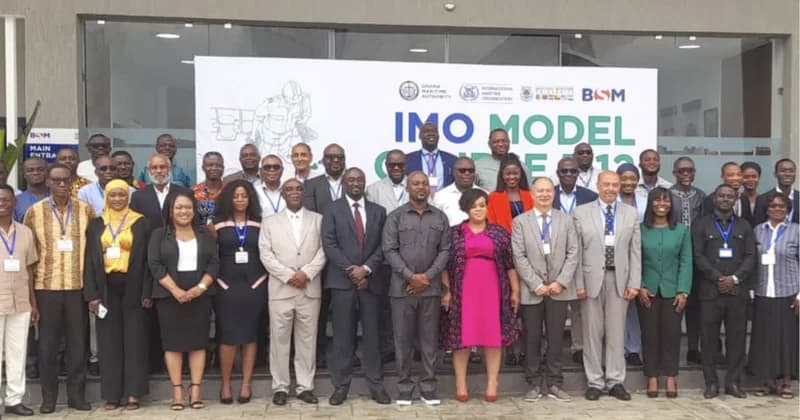
Parallel to these nuclear ambitions, the Ghana Maritime Authority (GMA) has intensified efforts to uphold international maritime standards through a specialized regional training program at the Regional Maritime University (RMU) in Nungua. This five-day initiative focuses on strengthening the competencies of seafarer examiners, assessors, and instructors from Ghana and seven other African nations, including Nigeria, Sierra Leone, and Côte d'Ivoire. Mr. Mubarick Masawudu, Deputy Director-General of the GMA, stated that rigorous assessment is critical for maritime safety and the competent handling of global cargo. The program aligns with International Maritime Organisation (IMO) guidelines and serves as a vital preparation for Ghana’s upcoming IMO Member State Audit in 2027.
These combined efforts in nuclear and maritime education reflect a broader regional strategy to improve economic competitiveness through specialized certification and professional development. By aligning domestic training with international benchmarks and environmental considerations, West African nations are positioning their workforces to meet the demands of a modern global economy. The consensus across both sectors is clear: sustainable development in Africa requires not only the construction of physical infrastructure but also a deep, multi-generational investment in human capital and technical expertise.