••
Ghana requires GH₵759m for health sector supply chain master plan
•2 min read•1 source
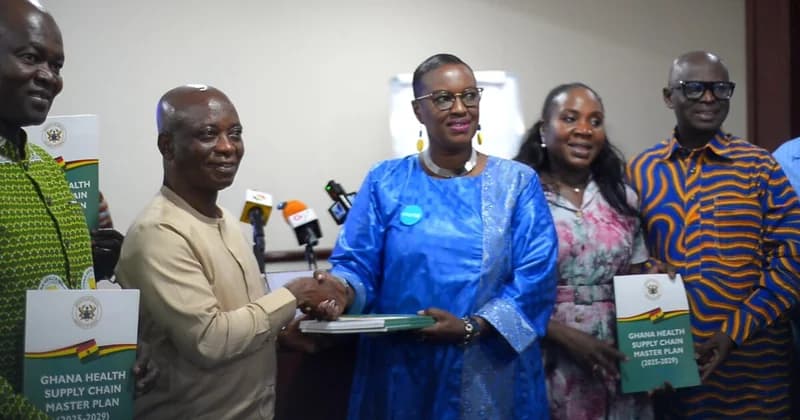
The Government of Ghana has identified a funding requirement of over GH₵759 million to address critical gaps in the supply of medicines and medical consumables over the next four years. This financial target is central to the implementation of the revised 2025-2029 Health Sector Supply Chain Master Plan, a strategic framework designed to ensure the continuous availability of essential health commodities. The move comes as the nation prepares for a significant shift in its healthcare financing landscape, specifically addressing the gradual withdrawal of foreign aid and international donor support.
To bridge the resulting funding gap, the master plan focuses on strengthening domestic financing mechanisms and improving internal efficiencies. The strategy outlines 47 specific interventions aimed at streamlining the procurement, storage, and distribution of medical supplies across the country. Key among these measures is the improvement of financial management systems and a concerted effort to recover outstanding debts under the National Health Insurance Scheme (NHIS). By stabilizing the financial health of the sector, authorities hope to prevent the supply disruptions that have previously affected public health facilities.
Ultimately, the 2025-2029 plan serves as a critical roadmap toward achieving universal health coverage by 2030. It prioritizes the consistent delivery of life-saving commodities, with a particular focus on the needs of vulnerable populations, including women and children. By securing the necessary GH₵759 million and implementing these structural reforms, the government aims to build a resilient, self-sustaining supply chain capable of meeting the healthcare demands of all Ghanaians without total reliance on external assistance.