••
Ghana Health Service records 53,000 adolescent pregnancies in first half of 2026
•2 min read•1 source
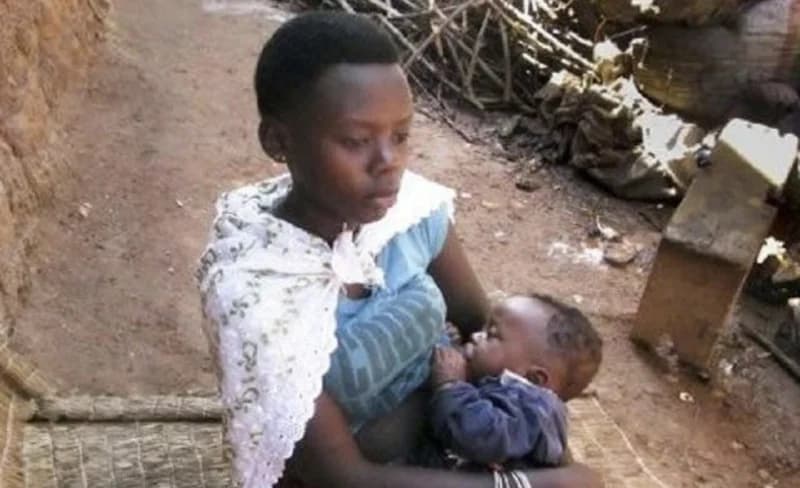
The Ghana Health Service (GHS) has reported that more than 53,000 adolescent pregnancies were recorded across the country during the first six months of 2026. This alarming data, released to coincide with the International Day of the Girl Child on October 11, underscores a persistent challenge to the health, education, and general well-being of young girls in Ghana. The figures highlight an urgent need for multi-sectoral intervention to address the root causes of teenage pregnancy and provide better protective frameworks for minors.
The gravity of the situation was recently illustrated by the tragic death of 14-year-old Keziah Mirekua. According to reports, the young girl took her own life by setting herself on fire after her boyfriend denied responsibility for her pregnancy. This incident has sparked renewed calls for stronger support systems that can protect vulnerable girls from social isolation and physical harm. Health advocates emphasize that the 53,000 recorded cases are not merely statistics but represent thousands of individual lives whose educational and economic prospects are now at significant risk.
Beyond the immediate health implications, the GHS data has reignited a national conversation regarding societal attitudes toward teenage mothers. Experts argue that the stigma associated with adolescent pregnancy often forces girls out of the school system, further entrenching cycles of poverty. There is a growing consensus that the government and civil society must move beyond symbolic celebrations to implement practical measures. These include enhancing access to reproductive health information, strengthening legal protections for minors, and ensuring that teenage mothers are integrated back into schools without facing discrimination or harassment.
As Ghana joins the global community to mark the International Day of the Girl Child, the focus remains on transforming policy into tangible outcomes. The GHS findings serve as a reminder that safeguarding the rights of the girl child requires more than commemorative speeches. Stakeholders are calling for a sustained commitment to creating a safe environment where every girl can pursue her potential and access the support necessary to overcome the barriers posed by early pregnancy and societal neglect.