••
Ghana secures first African jurisdictional carbon credits worth US$43m
•2 min read•1 source
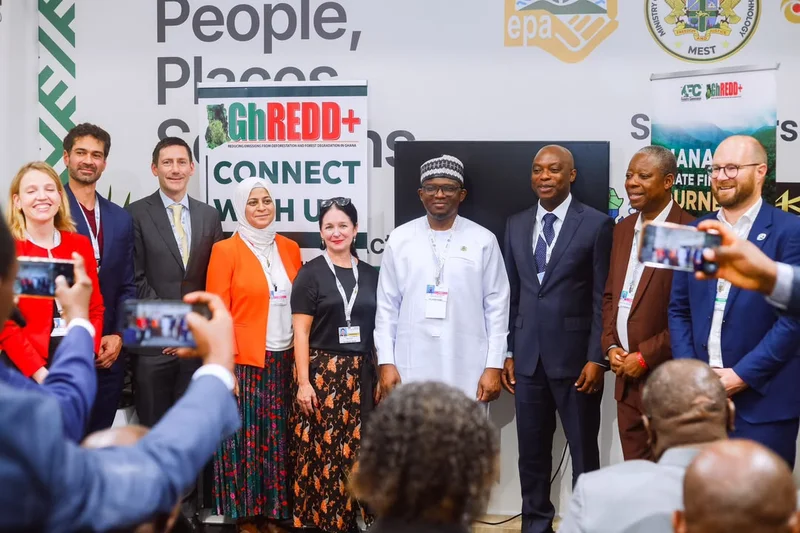
Ghana has made history as the first African nation to secure jurisdictional forest carbon credits under the Architecture for REDD+ Transactions (ART) standard. Announced during the COP31 summit in T61rkiye, the issuance consists of 6.57 million credits, which are projected to generate approximately US$43 million in revenue. This milestone places Ghana as only the third country globally to achieve this status, following successful efforts to reduce emissions from deforestation and forest degradation.
The credits represent verified emission reductions achieved between 2017 and 2021. The expected payments will come from a pool of international buyers, including the LEAF Coalition, a public-private initiative aimed at protecting tropical forests. While the issuance has been confirmed, the financial proceeds will be transferred once the transaction process is finalized. Ghana’s Ambassador to T61rkiye highlighted that the achievement is the result of extensive collaboration between the government and various environmental stakeholders over several years.
The Minister for Lands and Natural Resources has emphasized that the management of these funds will be governed by strict transparency protocols. A key component of the REDD+ framework is ensuring that the proceeds directly benefit the local communities who have been instrumental in forest conservation and restoration efforts. By providing financial incentives to those on the ground, the government aims to create a sustainable model for environmental protection that aligns economic development with ecological preservation.
This issuance sets a significant precedent for other African nations looking to tap into international carbon markets to fund climate resilience. As the global community focuses on meeting climate targets, Ghana’s success under the ART standard demonstrates the viability of jurisdictional approaches to carbon trading. The government has signaled that this is just the beginning of its commitment to leveraging natural resources for climate finance, with future monitoring periods expected to build on the foundations laid during the 2017-2021 assessment window.