••
Ahmed Ibrahim reveals Ghana faces 1.8 million housing deficit
•2 min read•1 source
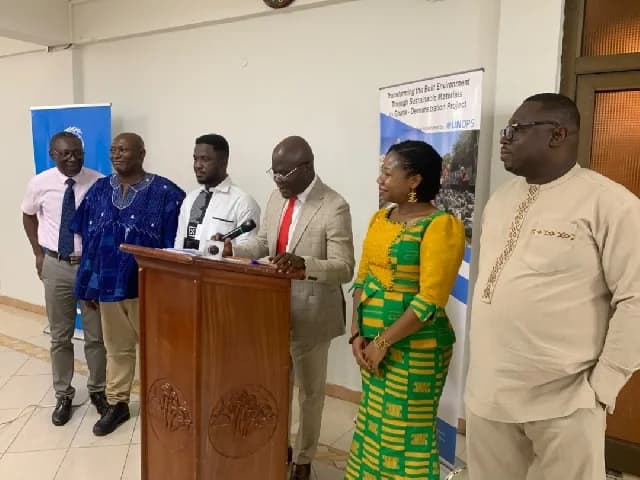
Ahmed Ibrahim, the Minister for Works, Housing and Water Resources, has revealed that Ghana is currently grappling with a housing deficit of 1.8 million units. Speaking during a sustainable construction workshop in Accra, the Minister characterized this shortage as a significant hurdle for the nation, but also a unique opportunity to reshape the construction sector toward lower carbon emissions. He emphasized that the selection of building materials today will have a lasting impact on the environment for the next century, urging a shift toward sustainable alternatives. The workshop was funded by the German Federal Ministry for Economic Cooperation and Development and organized in partnership with the United Nations Environment Programme and other international bodies. This collaboration aims to create a robust framework for the responsible sourcing of building materials, ensuring that the expansion of the housing stock aligns with global climate objectives. Experts at the event noted that the initiative seeks to address both the immediate housing need and the long-term climate challenges facing the country. During the workshop, Linda Agbesi of UNOPS Ghana launched a project specifically focused on the use of sustainable materials, highlighting their economic viability and scalability for large-scale developments. Experts reinforced this view, stating that transitioning to low-carbon construction is essential for meeting Ghana's housing demands without exacerbating environmental damage. This approach aims to create resilient urban environments that are both durable and environmentally responsible. The revelation of the 1.8 million housing deficit underscores the scale of the infrastructure task facing the administration. By integrating sustainable practices into national housing policy, the government aims to address the shortage while fulfilling its international climate commitments. The workshop serves as a starting point for stakeholders in the construction and housing sectors to collaborate on innovative strategies that balance the immediate need for shelter with the long-term goal of environmental preservation.
