••
Gender Ministry warns against non-consensual recording of intimate content
•2 min read•1 source
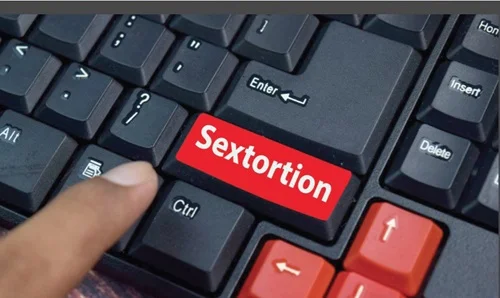
The Ministry of Gender, Children and Social Protection has issued a strong warning against the non-consensual recording and distribution of intimate content. In an official statement, the Ministry clarified that being in a relationship or consenting to sexual activity does not grant a partner the right to record or share private materials. This intervention comes amidst rising concerns regarding indecent exposure, sexual blackmail, and the unauthorized circulation of private images across digital platforms.
The Ministry highlighted that such acts are not merely ethical violations but potentially criminal offenses. It noted that the unauthorized distribution of intimate materials may violate laws established under the Criminal Offences Act and the Cybersecurity Act. To ensure accountability, the Ministry urged law enforcement agencies to actively investigate reported incidents of sexual blackmail and the viral sharing of private images, emphasizing that the legal framework exists to punish those who breach the privacy and dignity of others.
In its appeal to the public, the Ministry encouraged victims of these non-consensual acts to report their cases to the authorities and seek professional support. Furthermore, it called on social media users to exercise restraint and refrain from sharing sensitive materials that appear on their feeds. By discouraging the spread of such content, the Ministry aims to protect the psychological well-being of individuals and foster a more responsible digital environment in Ghana.