••
Ministry of Gender and UNFPA develop Kayayei vulnerability framework
•2 min read•1 source
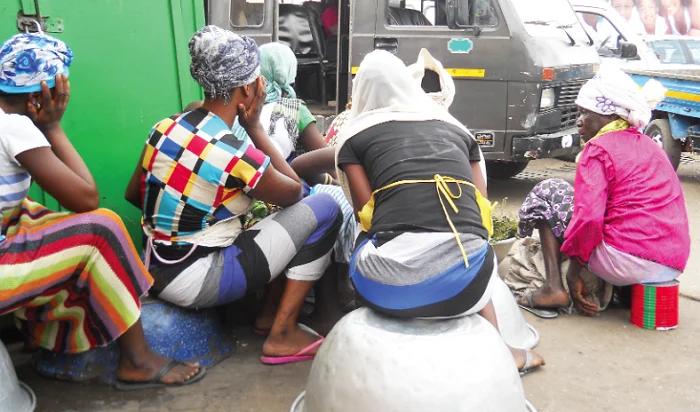
The United Nations Population Fund (UNFPA) has partnered with Ghana’s Ministry of Gender, Children and Social Protection to develop the Kayayei Management and Vulnerability Framework. This policy initiative is specifically designed to tackle the deep-seated economic and social challenges faced by head porters, commonly known as Kayayei, who operate in various urban markets across the country. The framework aims to create a more structured and official approach to protecting these vulnerable women from exploitation while enhancing their overall wellbeing through targeted social interventions.
Speaking at a recent media forum, Abena Afari of the UNFPA highlighted that the new framework seeks to incorporate the lived experiences and voices of the Kayayei into the national policy-making process. By integrating these unique perspectives, the ministry and its partners hope to effectively combat the high risks of exploitation and the limited economic opportunities that often trap these women in cycles of poverty. The initiative will prioritize creating sustainable pathways for economic empowerment and ensuring that the fundamental rights of head porters are recognized and protected under national social protection schemes.
A critical component of the collaboration involves improving access to essential health and safety services. The framework will facilitate better access to reproductive health services and provide vital information regarding gender-based violence (GBV) prevention. This effort is complemented by existing initiatives such as the TIMER project, which focuses on providing emergency health transportation for pregnant women in high-risk environments. UNFPA also aims to reduce preventable maternal deaths and improve family planning access for adolescents and young women within the Kayayei community, emphasizing the importance of leadership and empowerment programs.
Despite the ambitious goals of the Kayayei Management and Vulnerability Framework, officials acknowledged that funding remains a significant challenge to full implementation. However, the UNFPA and the Ministry remain committed to ensuring accountability in addressing the development needs of this demographic. By fostering a more inclusive and responsive social protection system, the initiative aims to provide a sustainable safety net that improves the quality of life and health outcomes for head porters and their children across Ghana.
