••
Gender Ministry partners GES to employ 272 graduates with disabilities
•2 min read•1 source
The Ministry of Gender, Children and Social Protection has entered into a strategic partnership with the Ghana Education Service (GES) to facilitate the formal employment of 272 graduates with disabilities. This initiative is designed to ensure that qualified individuals with disabilities are effectively integrated into the public sector workforce, providing them with stable career paths and financial independence. The collaboration marks a significant effort by the government to address historical unemployment challenges faced by this demographic through direct placement interventions.
This initiative is rooted in the government's mandatory five percent employment quota for persons with disabilities, which applies to both public and private sector organizations. By focusing on these 272 graduates, the Ministry and the GES are actively working to fulfill the requirements of the Disability Act and other national social inclusion policies. The partnership aims to provide a structured approach to hiring, moving beyond ad-hoc arrangements to a more sustainable employment framework that can be replicated across other state agencies.
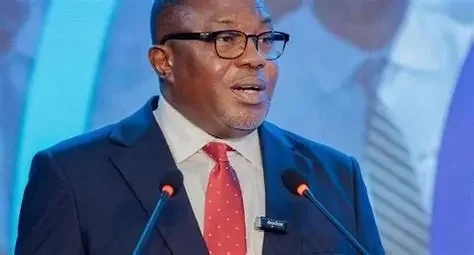
Dr. Samuel Ofosu Ampofo, Policy Advisor to the Vice President, underscored the importance of the program during its announcement. He stated that the goal is to create meaningful job opportunities that will significantly improve the livelihoods and social standing of the beneficiaries. Dr. Ampofo highlighted that the focus is not merely on recruitment numbers but on ensuring that work environments are conducive and that the graduates can contribute effectively to national productivity, thereby fostering a culture of true inclusivity.
Looking ahead, the Ministry of Gender, Children and Social Protection expects this partnership to set a standard for other state institutions and private entities to follow. By successfully placing these graduates, the government aims to demonstrate the viability and benefits of an inclusive workforce. This move is part of a broader national strategy to empower vulnerable groups and ensure that economic growth is inclusive of all citizens, regardless of their physical abilities, ultimately reducing economic marginalization nationwide.
Related topic
Ghana Education Service (GES): Latest News Today →