••
Green Climate Fund Unlocks $4 Billion for Climate Action with 40% Earmarked for African Nations
•2 min read•1 source
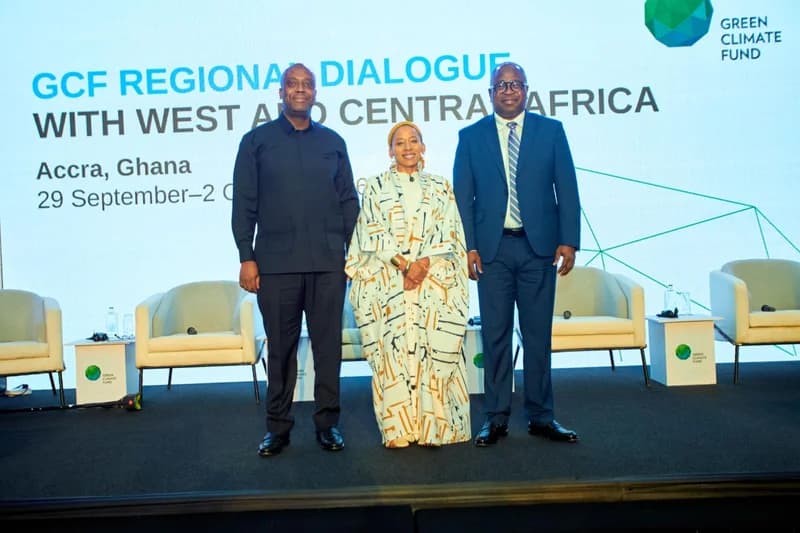
The Green Climate Fund (GCF) has announced the release of over US$4 billion in additional resources for climate investments, with approximately 40% of the total earmarked specifically for African nations. During the GCF Regional Dialogue held in Accra, Catherine Koffman, the GCF’s Regional Director for Africa, underscored the critical need for African countries to develop "investment-ready" or "bankable" projects to effectively harness this financing. This latest injection of funds follows a decade in which the GCF has allocated approximately US$20 billion globally, with US$7.6 billion already directed toward climate initiatives across the African continent.
To ensure these funds translate into tangible climate action, the GCF is intensifying its "project readiness" support. Out of a global pool of $740 million provided for project preparation, roughly $250 million has been allocated to Africa. Ghana is a notable beneficiary of this initiative, receiving a US$3 million readiness grant to strengthen its institutional capacity and develop a pipeline of viable projects. Koffman explained that these grants are catalytic; by mitigating initial risks and supporting early-stage project development, the GCF aims to attract significant private sector investment that would otherwise be deterred by perceived market risks in the region.
Addressing long-standing criticisms regarding bureaucratic hurdles, the GCF is undergoing significant structural reforms to streamline its operations. The fund is decentralizing its presence by establishing new regional offices in Abidjan, Côte d’Ivoire, and Nairobi, Kenya. These hubs are intended to bring technical expertise closer to the markets they serve, facilitating faster decision-making and a better understanding of local conditions. Furthermore, the GCF has drastically reduced its accreditation process from an average of five years to less than nine months, reflecting a commitment to agility and transparency in the face of the escalating climate crisis.
A central theme of the GCF’s current strategy is ensuring that climate financing does not exacerbate the existing debt burdens of African nations. Koffman emphasized that adaptation projects, in particular, require grant-based funding rather than loans to remain sustainable. To this end, the GCF is exploring innovative financial mechanisms such as debt-for-climate swaps. These arrangements allow countries to reduce their debt obligations in exchange for commitments to invest in local climate mitigation and adaptation efforts, providing a pathway for sustainable development that balances financial stability with environmental resilience.
