••
Ghana Armed Forces Honor Retiring Generals Amid Nationwide Recruitment Drive and Akyem Hemang Protests
•3 min read•3 sources
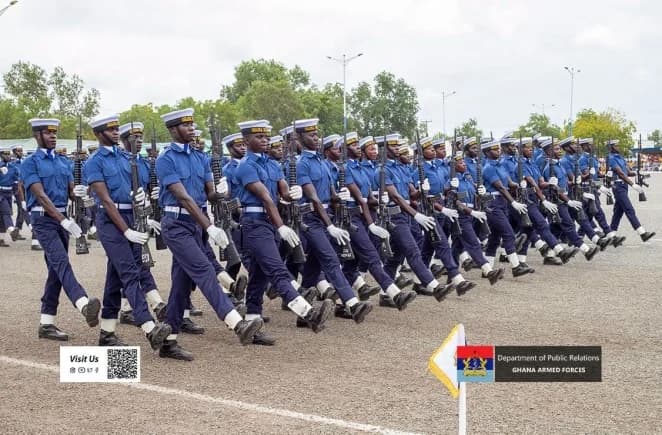
The Ghana Armed Forces (GAF) is currently navigating a period of significant institutional transition, marked by the retirement of senior leadership, a massive nationwide recruitment drive, and escalating public outcry over alleged misconduct in the Eastern Region. At Burma Camp in Accra, a solemn send-off parade was held to honor eight high-ranking flag officers—seven Army generals and one Air Force general—for their decades of dedicated service to the nation. President John Mahama personally recognized the retiring officers, providing citations, mementos, and special sponsorship packages and cash. Air Marshal Michael Samson-Oje, the guest of honor, lauded the officers for their pivotal roles in maintaining national security and their contributions to international peacekeeping missions, emphasizing the legacy of discipline and teamwork they leave behind. Simultaneously, the GAF has moved to secure its next generation of personnel by launching a three-day documentation and body selection exercise for the 2026/2027 enlistment cycle. Following the closure of the online application phase, qualified candidates have been directed to report to Nicholson Stadium in Accra for the Southern Sector and the 4 Infantry Battalion in Kumasi for the Northern Sector. In response to previous safety concerns during mass recruitment events, military officials have implemented enhanced safety measures and protocols to ensure a streamlined and secure process for all applicants as they undergo physical and document verification. However, the military's institutional celebrations and administrative processes are being clouded by a brewing crisis in Akyem Hemang. Residents of the community and surrounding areas recently staged a ten-kilometer protest march to demand justice for 29-year-old Douglas Acheampong, who was allegedly shot and killed by military personnel on August 26, 2026. The Concerned Youth of Akyem Hemang presented a formal petition to the District Chief Executive of Fanteakwa South, alleging that the fatal encounter occurred when Acheampong and others intervened during the arrest of a suspected informant. Protesters, carrying placards condemning military violence, are calling for a transparent investigation and immediate accountability for those involved. These developments highlight the complex operational landscape currently faced by the Ghana Armed Forces. While the military continues to uphold its traditions of honoring service and expanding its ranks to meet future security needs, the allegations in Akyem Hemang underscore the ongoing challenge of civil-military relations. As the documentation exercise concludes and investigations into the Akyem Hemang incident are sought, the GAF leadership faces the task of balancing internal honors with the urgent need to maintain public trust and accountability at the grassroots level.

