••
Gaeheart Kudjoe Affutu sustains Ghana's fantasy coffin art in Teshie
•2 min read•1 source
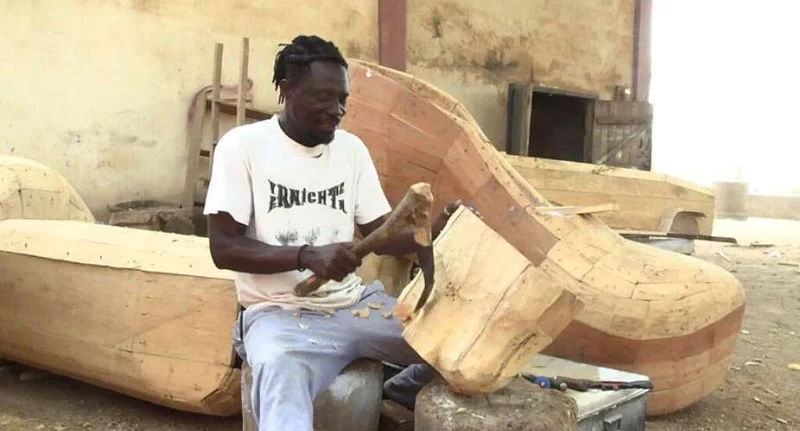
Master carpenters in the Ga communities of Teshie and Nungua continue to uphold the 70-year-old tradition of creating fantasy coffins, known locally as abebuu adekai. These handcrafted vessels, designed to reflect the specific lives, professions, or passions of the deceased, have transformed funerals into deeply personal celebrations of life. Originally popularized in the 1950s, the craft has evolved from a local burial custom into a globally recognized art form that attracts collectors and clients from across the world.
The tradition traces its roots back to the pioneering work of craftsman Seth Kane Kwei. Today, master carpenters like Gaeheart Kudjoe Affutu carry the mantle, having dedicated their careers to the meticulous process of woodcarving and painting. Each coffin is a bespoke creation; a fisherman might be buried in a giant wooden tilapia, while a photographer could be laid to rest in a replica of a vintage camera. Affutu, who has been practicing the craft since 2002, emphasizes that these works are not just containers for the dead but storytellers that represent the unique identity of the person they hold.
While the coffins remain central to local Ga funeral rites, their appeal has transcended Ghana's borders. Affutu and his peers frequently receive orders from international clients who view the coffins as intricate sculptures rather than funerary items. This global demand has provided a critical lifeline for the industry, ensuring that the labor-intensive skills required to build them remain economically viable. To secure the future of the craft, Affutu is actively training a new generation of apprentices in Teshie, teaching them the specialized techniques of joinery and decoration that have defined this cultural heritage for decades.