••
Botanists discover ten new plant species annually in Gabon's rainforests
•2 min read•1 source
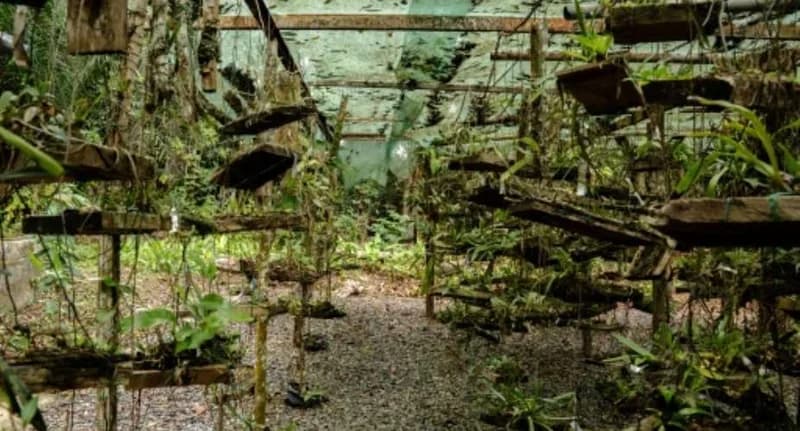
Botanists at the Sibang botanical garden in Libreville, Gabon, are identifying an average of ten new plant species every year, highlighting the immense and largely unexplored biodiversity of the country's rainforests. As part of the wider Congo Basin, Gabon possesses a rich botanical heritage that remains a frontier for scientific discovery. Archange Boupoya, the director of the Sibang botanical garden, emphasizes that these frequent discoveries demonstrate the critical need for a comprehensive catalogue of the nation's flora to ensure its long-term preservation.
Despite the scientific significance of these finds, the research team faces significant challenges from both environmental threats and resource constraints. Rapid urbanization and industrial activities are increasingly encroaching on natural habitats, placing unique plant species at risk of extinction. Boupoya specifically noted that infrastructure projects, such as the Kinguele hydroelectric dam, pose a direct threat to the habitats of species that may not yet have been documented or studied by the scientific community.
The mission to protect Gabon's biodiversity is further complicated by a lack of funding and inadequate facilities at the Sibang botanical garden. The garden serves as a vital historic archive for the country's flora, but the team requires more robust international assistance to maintain their collections and continue their field research. Boupoya argues that without increased financial support and modern conservation tools, the race to identify and protect these plants before they are lost to development will become significantly more difficult.
The ongoing work in Gabon underscores the global importance of the Congo Basin as a biodiversity hotspot. Scientists believe that with proper investment and conservation efforts, many more species can be saved. Boupoya remains hopeful that future exploration will be supported by the international community, ensuring that the natural wealth of Gabon is documented and protected against the pressures of modern expansion.