••
Global Diesel Reserve Release: Europe and G7 Aim to Ease Fuel Price Pressure in Ghana
•3 min read•2 sources
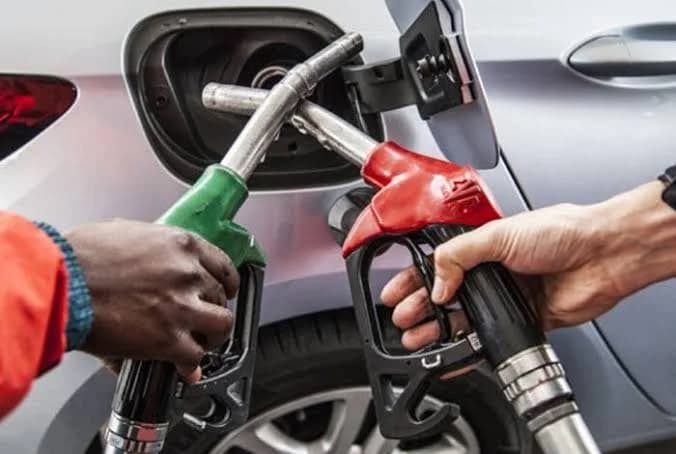
In a major move to stabilize volatile energy markets, European nations have agreed to release a significant portion of their emergency diesel reserves. The announcement, made by U.S. President Donald Trump on October 2, 2026, comes as the G7 and the International Energy Agency (IEA) prepare to inject approximately 100 million barrels of oil and fuel products into the global supply chain. This coordinated effort is primarily aimed at combating the sharp rise in diesel prices, which have surged globally following intensified geopolitical tensions, including the conflict between the United States and Iran. U.S. Treasury Secretary Scott Bessent has notably urged European allies, particularly France and Germany, to expedite these releases to provide immediate relief to a strained global economy.
For Ghana, this international intervention offers a glimmer of hope for a domestic market heavily burdened by high petroleum costs. As a country that relies almost entirely on imported refined petroleum products, Ghana is exceptionally vulnerable to international price shocks. The increase in global diesel supply is expected to eventually lower the cost of landed products, which could provide much-needed breathing room for the commercial transport and agricultural sectors. These industries are currently facing immense pressure as fuel costs continue to drive up the prices of essential goods and services across the country.
However, energy experts and market analysts caution that the impact on Ghanaian pump prices may not be immediate or direct. While the global supply increase is a positive development, several domestic variables remain at play. The eventual price Ghanaian consumers pay is heavily influenced by the performance of the Ghana Cedi against the U.S. Dollar, existing domestic fuel taxes, and the pricing strategies of Bulk Oil Distributing Companies (BDCs). Until the local currency stabilizes and the effects of the global reserve release filter through the supply chain, the extent of the relief for Ghanaian motorists remains to be seen.
As the situation develops, the government and the National Petroleum Authority (NPA) will be under increasing pressure to ensure that any reductions in international market prices are reflected at local filling stations. The long-term outlook for Ghana’s energy security continues to depend on both these external supply adjustments and internal fiscal policies. For now, the eyes of the nation remain on the global market, waiting to see if the release of millions of barrels of diesel will be enough to break the cycle of rising costs that has characterized the energy sector in recent months.
Live rates
Dollar to cedi rate →
