••
MCE Freeman Tsekpo Appeals for Modernization of Ashaiman's Gbemi Storm Drain to Curb Persistent Flooding
•2 min read•2 sources
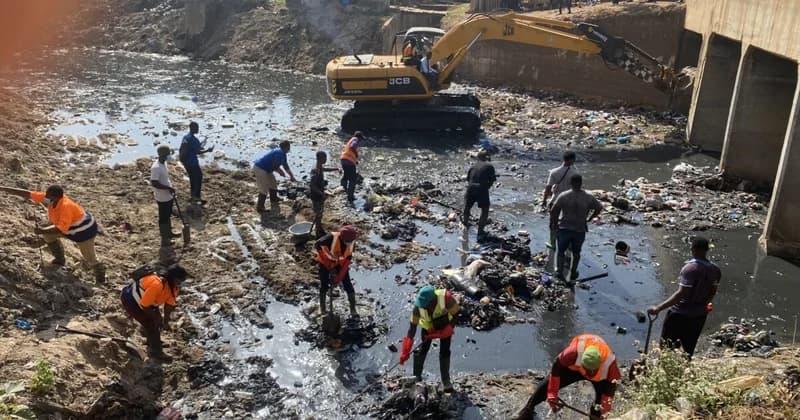
The Ashaiman Municipal Chief Executive (MCE), Freeman Tsekpo, has formally appealed to the Ministry of Works and Housing for a comprehensive modernization of the Gbemi (also known as Gbeblemə) storm drain. This infrastructure project is described as critical to addressing the municipality’s perennial flooding issues, which have historically threatened lives and property during peak rainy seasons. While recent dredging and desilting efforts provided some relief during the 2025–2026 rains, Tsekpo emphasized that these annual interventions are no longer sufficient to manage the volume of stormwater in the rapidly growing urban area.
The storm drain, which falls under the jurisdiction of the Hydrological Services Department, is reportedly outdated and structurally inadequate for the current population density of Ashaiman. Tsekpo noted that the Municipal Assembly has made multiple appeals for the reconstruction of the drain into a modern system, but funding remains a primary obstacle to progress. The aging infrastructure was originally designed for a smaller community, and its current state contributes to chronic overloading, leading to the severe flooding that has plagued the municipality in recent years.
In addition to structural challenges, the Assembly is battling significant sanitation issues as some residents continue to use the drain as a dumping ground for solid waste. To combat this, the MCE announced the deployment of a satellite monitoring system intended to deter illegal dumping following major cleanup and dredging exercises. This technological approach will be supported by a community warden program, enlisting local pig farmers to monitor the drain and report individuals who misuse the channel. These measures are part of a broader strategy to ensure that the drain remains clear and functional.
Looking forward, the Ashaiman Municipal Assembly (ASHMA) is seeking to integrate these infrastructure needs with sustainable environmental practices, including waste segregation initiatives in collaboration with private recycling firms. Tsekpo remains hopeful that the central government will prioritize the Gbemi storm drain project to protect public health and facilitate sustainable development. For now, the Assembly continues to urge residents to desist from dumping refuse in drainage channels, warning that infrastructure improvements must be matched by responsible community behavior to be truly effective.