••
Fred Newton Binka, founding UHAS Vice-Chancellor, dies at 73
•2 min read•1 source
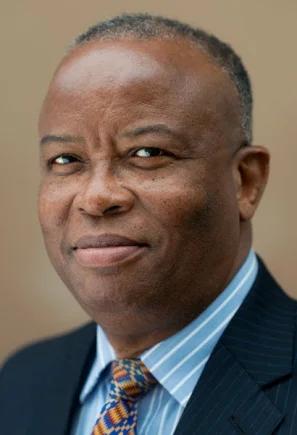
Professor Fred Newton Binka, a monumental figure in Ghanaian public health and the founding Vice-Chancellor of the University of Health and Allied Sciences (UHAS), has passed away at the age of 73. A distinguished academic and pioneering malaria researcher, Prof. Binka was instrumental in shaping the landscape of health education and infectious disease control in Ghana. His death marks the loss of a visionary leader who dedicated decades to improving health outcomes through both clinical research and institutional development.
Throughout his illustrious career, Prof. Binka held several high-profile positions, including serving as the Chairman of the Governing Council of the Ghana Health Service. Before his leadership at UHAS, he spent over 20 years working with the Ministry of Health, where he focused on the prevention of infectious diseases and the rigorous training of the next generation of health professionals. His commitment to research led to the establishment of significant health initiatives across the African continent, cementing his reputation as a pillar of the scientific community.
International organizations, including the International Vaccine Institute (IVI), have paid tribute to Prof. Binka’s leadership and his profound contributions to global public health. The IVI highlighted his impact not only within Ghana but across the international stage, recognizing his efforts in vaccine research and health system strengthening. His work as a researcher was characterized by a deep-seated drive to find practical solutions to the malaria burden, a cause that defined much of his professional life.
Prof. Binka’s legacy is most visible in the establishment of UHAS in Ho, where he laid the foundational stones for an institution dedicated solely to health sciences. His tenure as the first Vice-Chancellor set a high standard for academic excellence and research-driven education in Ghana. As the health community mourns his passing, he is remembered as a mentor to many and a transformative force in the fight against malaria and the advancement of public health infrastructure.
