••
Francophonie leaders open 20th summit in Cambodia
•2 min read•2 sources
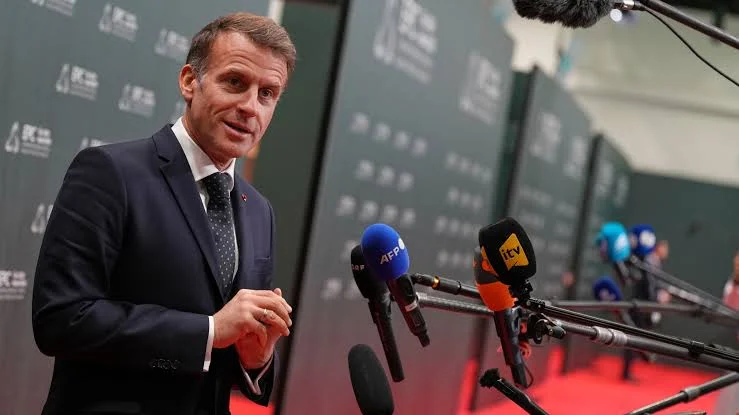
Leaders from nearly 20 French-speaking nations have gathered in Phnom Penh, Cambodia, for the opening of the 20th Francophonie Summit. Hosted by the Organisation Internationale de la Francophonie (OIF), the three-day event aims to foster unity and cooperation across the French-speaking world under a theme emphasizing peace and stability. However, the summit’s start has been dominated by a diplomatic standoff between the Democratic Republic of Congo (DRC) and Rwanda, which threatens to overshadow the formal agenda of trade, technology, and cultural heritage.
At the heart of the tension is the election for the organization’s next Secretary-General. The Rwandan incumbent, Louise Mushikiwabo, is seeking re-election but faces opposition from the DRC. While Congo has withdrawn its own nominee to support a consensus candidate—former Romanian Prime Minister Dacian Ciolos—tensions remain high between Presidents Felix Tshisekedi and Paul Kagame. The DRC has suggested it might consider leaving the OIF if Mushikiwabo remains in office, reflecting the deepening rift between the two neighbors and their ongoing regional conflict.
French President Emmanuel Macron is playing a central role in the proceedings, attempting to broker consensus and maintain the group’s cohesion amidst these African diplomatic rifts. His presence in Cambodia, a former French colony, is viewed as a strategic effort to revitalize French diplomatic ties in Southeast Asia. This push for engagement comes at a critical time for France, which is facing domestic political challenges and a visible decline in influence across Africa, particularly following the withdrawal of its influence from several Sahelian nations.
Beyond the high-stakes leadership contest, the summit provides a platform for delegates to discuss new frameworks for economic cooperation and the protection of Francophone cultural heritage. As the 20 governments involved continue their deliberations, the OIF faces the challenge of proving its relevance as a platform for conflict resolution. The outcome of the Secretary-General election will likely serve as a litmus test for the organization's ability to navigate internal divisions and preserve its collective strength on the global stage.