••
Legal Aid Director Francis Yensu Appiah Organizes Free Health Screening for Nyankamam Residents
•2 min read•1 source
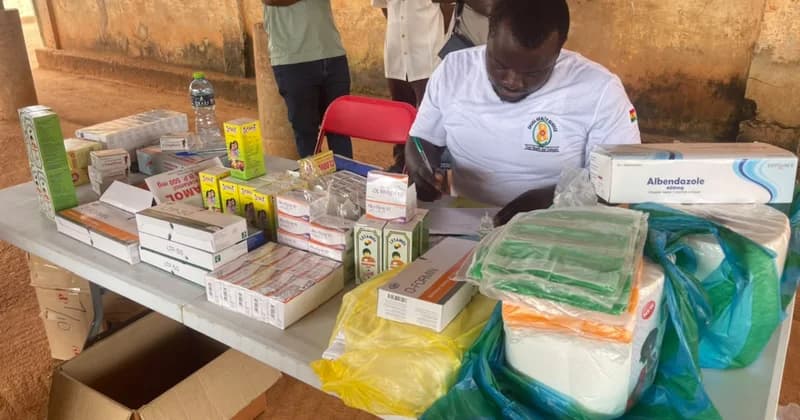
Hundreds of residents in Nyankamam, located within the Aowin Municipality, have benefited from a comprehensive free healthcare outreach program designed to improve medical access for underserved populations. Organized by Lawyer Francis Yensu Appiah, the Regional Director of the Legal Aid Commission, the initiative focused on providing essential health services to vulnerable groups who often face significant barriers to quality care. The event served as a critical intervention for the community, highlighting the role of public servants in driving local welfare and social support.
During the outreach, a team of medical professionals conducted screenings for various prevalent conditions, including hypertension, diabetes, and malaria. Beyond diagnostic tests, the program offered one-on-one medical consultations and health education sessions to help residents manage their long-term well-being. Participants also received free essential medicines to treat identified ailments. Dr. Prince Ackah, who participated in the exercise, emphasized the vital importance of preventive healthcare in rural areas, noting that early detection and lifestyle management are key to reducing the burden of chronic diseases in such communities.
Lawyer Francis Yensu Appiah framed the initiative as an extension of his commitment to human rights, asserting that the right to health is fundamental to the pursuit of justice. He explained that individuals cannot fully realize their legal or social rights if they are incapacitated by preventable illnesses. By bridging the gap between legal advocacy and health services, Appiah aimed to address the holistic needs of the Nyankamam people, demonstrating a unique connection between physical health and the ability to seek and maintain justice within society.
The outreach was met with profound gratitude from the local population, many of whom expressed relief at receiving medical attention without the typical financial burdens associated with healthcare. The success of the program underscores the ongoing need for targeted medical interventions in Ghana's rural districts to supplement existing health infrastructure. As the municipality reflects on the impact of this event, it serves as a reminder of how collaborative efforts between professional bodies and local leaders can foster significant improvements in community health and awareness.
