••
French police arrest 1,000 people at cost of living protests
•2 min read•1 source
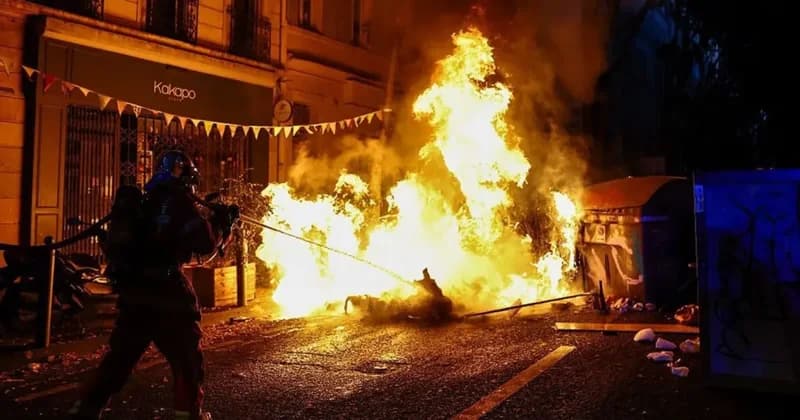
French security forces arrested nearly 1,000 people across the country following a day of mass protests centered on the rising cost of living and concerns over school conditions. Official estimates indicate that approximately 800,000 participants took part in the nationwide demonstrations. While the majority of the events proceeded without incident, tensions in major urban centers led to significant police interventions and a high volume of detentions.
In the capital city of Paris and the southern port of Marseille, largely peaceful marches gave way to clashes between demonstrators and law enforcement. Police units deployed tear gas and water cannons to maintain order as pockets of unrest emerged. Interior Minister Laurent Nuñez stated that several radical activists were identified among the crowds, though he noted that the overall level of disorder was less severe than that witnessed in previous weeks of social action.
The demonstrations were fueled by deep-seated public grievances regarding economic pressures and the state of the national education system. These domestic issues are part of a broader trend of social unrest across the continent, with similar cost-of-living protests recently reported in other European cities such as Tirana, Brussels, and Milan. The scale of the turnout in France highlights the ongoing challenges faced by the government in addressing public dissatisfaction with economic stability.
As the authorities process the individuals taken into custody, the government faces continued pressure from labor unions and activist groups. The significant participation in these protests suggests that economic and social concerns remain a central point of friction in French politics. Security forces are expected to remain on high alert as the state evaluates its response to the demands of the protesters and the role of radical elements in public demonstrations.