••
Forestry Commission destroys 1,103 changfan machines in Western Region
•2 min read•2 sources
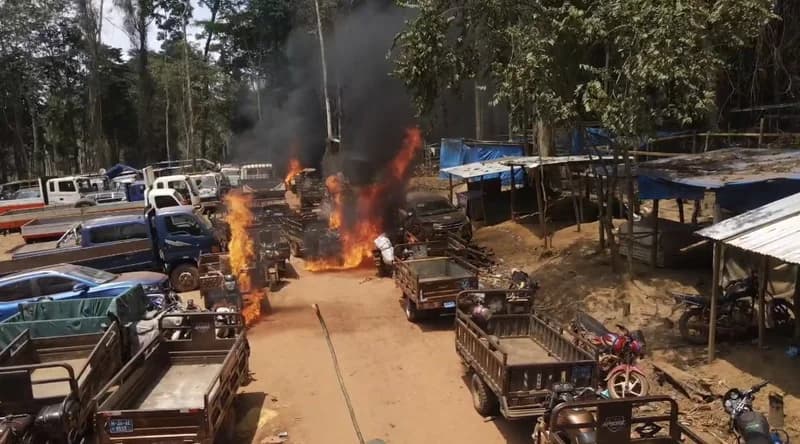
The Forestry Commission has intensified its crackdown on illegal mining within the Western Region, resulting in the destruction of 1,103 changfan machines and various equipment used by illegal operators. These enforcement actions, carried out primarily within protected forest reserves, involved the immobilization and burning of numerous vehicles, motorbikes, and mining accessories. The commission estimated the total value of the destroyed equipment at approximately GH₵28 million, highlighting the massive scale of illicit activities targeting Ghana's natural resources.
Nana Poku Bosompem, the Western Regional Manager of the Forestry Commission, confirmed that these operations have led to significant legal proceedings. Between January and September, a total of 159 suspects were arrested for their involvement in illegal mining, commonly known as galamsey. Currently, 36 cases are pending before the courts in Takoradi, with several other suspects still under police investigation. Mr. Bosompem assured the public that thorough investigations are ongoing to ensure that all offenders face the full rigours of the law.
The environmental toll of these activities has been severe, with illegal mining reported to have affected seven out of the 19 forest reserves in the Western Region. One of the most heavily targeted areas is the Subri Forest in Wassa Esaman, where the commission has focused its recent immobilization efforts. Officials noted that the persistent encroachment of miners into these protected zones poses a significant threat to the region's biodiversity and vital water bodies.
Despite the success of recent raids, the Forestry Commission continues to face significant hurdles in its mission to protect the environment. Mr. Bosompem expressed serious concerns regarding the frequent intimidation of forestry officers by illegal miners, who often employ aggressive tactics to protect their operations. Furthermore, he highlighted the need for a more efficient judicial process to bridge the gap between arrests and successful convictions to better deter environmental crimes.
