••
Fitch Solutions projects Ghana cedi to average GH₵12.40 to dollar in 2027
•2 min read•4 sources
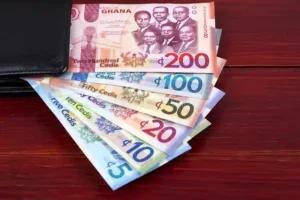
Fitch Solutions has forecast that the Ghana cedi will average GH₵12.40 against the US dollar in 2027, representing a projected 7.4% weakening over the year. The research firm expects the currency to end 2027 at approximately GH₵12.80 per dollar. This outlook follows a period of significant volatility; latest Bank of Ghana data reveals the cedi has already depreciated by 10.6% against the dollar as of November 2026, trading at GH₵11.69 on the official market compared to GH₵11.27 a year earlier.
Analysts attribute the expected pressure to structural shifts in how foreign exchange is managed in the country. A primary factor is the transition of foreign exchange intermediation from the Bank of Ghana to the Ghana Gold Board (GoldBod). Mike Kruiniger, Associate Director at Fitch, noted that GoldBod’s limited dollar sales, which are tied strictly to gold production, are likely to restrict domestic dollar supply. This supply crunch is expected to be exacerbated by falling international gold prices, which reduce export revenue, and the government’s ongoing commitment to rebuilding foreign reserves through the Reserve Accumulation Programme (GANRAP).
The continued weakening of the currency is projected to have broad economic implications for both businesses and households. Higher costs for imported goods are likely to trigger renewed inflationary pressures, as the cedi remains one of the poorest performing currencies in Sub-Saharan Africa. While the currency showed some year-on-year strength in early 2026 due to favorable base effects, the retail market is already seeing rates as high as GH₵12.25. As the government maintains a more hands-off approach to exchange rate intervention to favor reserve accumulation, stakeholders are bracing for a challenging fiscal environment characterized by high production input costs throughout 2027.
gbcghanaonline.com
PrimarybusinessFitch Solutions projects the cedi to average GH¢12.40 to the dollar in 2027
modernghana.com
businessFitch Solutions projects cedi will weaken to GH¢12.40 against dollar in 2027
myjoyonline.com
businessCedi depreciates by 10.6% to dollar as of November 2026 - BoG
myjoyonline.com
businessCedi to weaken by 7.4% in 2027, to end 2027 at GH¢12.8 per dollar – Fitch Solutions
Live rates
Ghana gold price →