••
Fiji Declares National HIV Emergency Amid Surge as Funding Cuts Threaten Progress in Kenya
•3 min read•2 sources
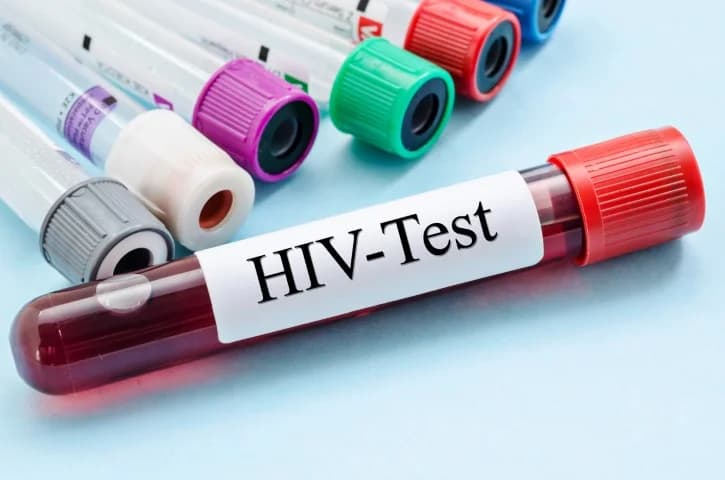
Fiji has declared a national public health emergency following a dramatic spike in HIV infections that has seen the prevalence of the virus reach one in every 60 adults. In 2025 alone, health authorities recorded 2,016 new diagnoses, a stark contrast to five years ago when the rate stood at one in 167 adults. This surge, which defies global trends of declining infection rates, has prompted the Fijian government to mobilize urgent countermeasures and seek regional cooperation to address the underlying drivers of the epidemic.
Health officials attribute the crisis primarily to an escalating intravenous drug problem, with the Pacific islands increasingly serving as a narcotics trafficking route. Approximately half of all new HIV diagnoses in Fiji are now linked to injecting drug use and the sharing of needles. The epidemic is also heavily impacting vulnerable populations, particularly pregnant women and newborns. Reports indicate that one in 50 pregnant women in the country is now living with HIV, leading to a rise in mother-to-child transmission incidents that threaten the health of the next generation.
A critical gap in healthcare access and awareness continues to hamper containment efforts. Currently, only 39% of those living with HIV in Fiji are aware of their status, and less than a quarter are receiving necessary treatment. Health Minister Lalabalavu has urged the public to seek testing, while the government initiates comprehensive strategies to expand medical services and dismantle deep-seated social stigma and cultural barriers that prevent many from seeking help. International health organizations have acknowledged the urgency of the situation, emphasizing that sustained global attention is required to stabilize the region.
While Fiji battles a rising tide of new infections, a different facet of the global HIV crisis is unfolding in Kenya, where significant reductions in U.S. aid are being blamed for a rise in mortality among vulnerable groups. Funding cuts have led to the closure of essential clinics that provided life-saving care to HIV-positive sex workers. Experts have confirmed at least 24 deaths linked to these service withdrawals, including the high-profile case of a woman named Judy who died shortly before she could share her story. The loss of support has caused many to fall out of treatment, creating fears of a wider HIV surge among the general Kenyan population.
These dual crises in Fiji and Kenya highlight the fragile nature of global progress against HIV/AIDS. Whether driven by shifting drug trafficking patterns or the withdrawal of international financial support, both situations underscore the need for resilient healthcare systems and consistent international cooperation. As Fiji ramps up its testing and treatment programs to combat its national emergency, health advocates globally are warning that any retreat from established support networks can rapidly reverse decades of hard-won gains in public health.
